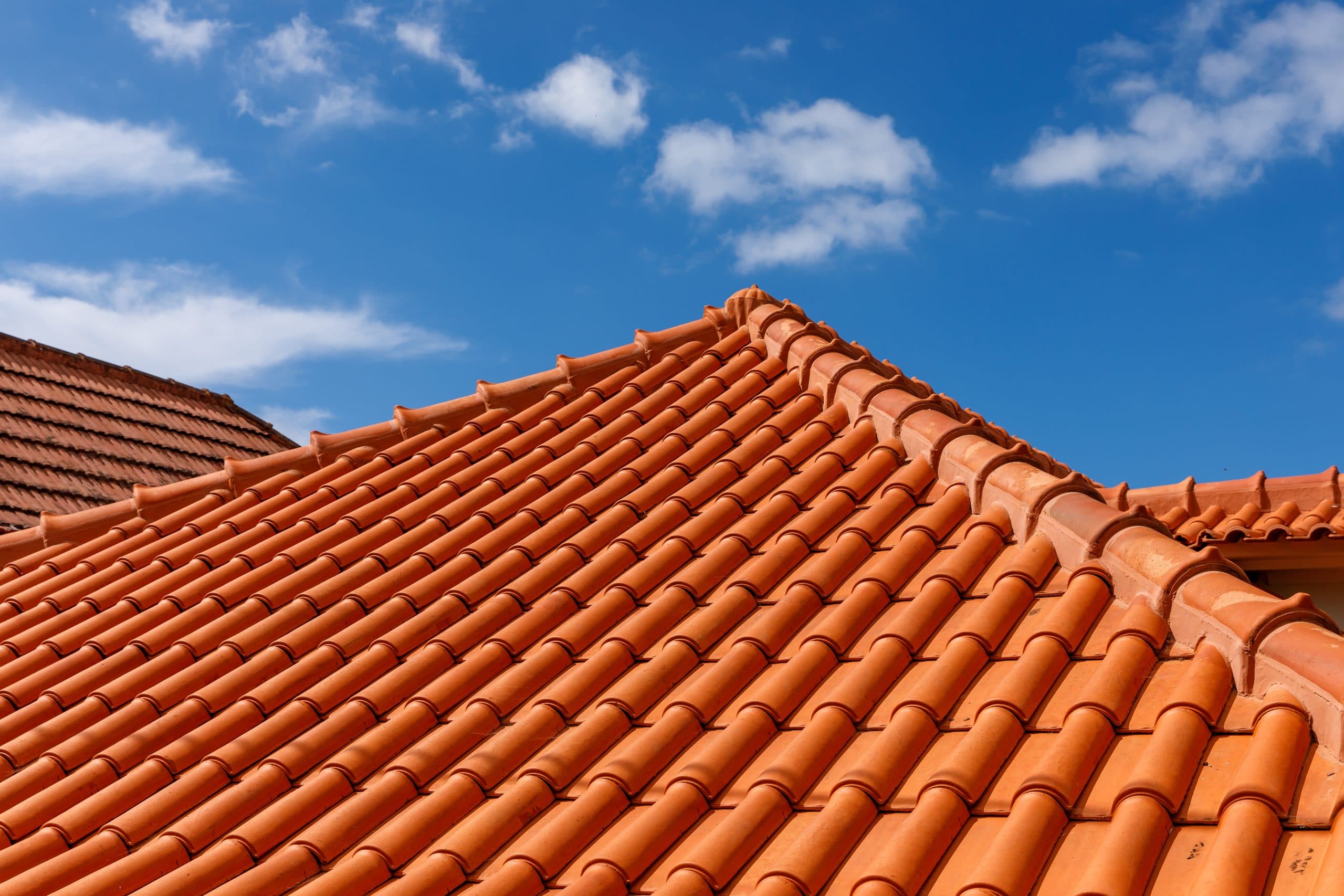
Tile roof maintenance in Arizona comes down to four habits: keep debris off the roof, replace cracked or broken tiles quickly, never walk on the tiles yourself, and book a professional inspection once a year. Concrete tiles themselves can last 50 years or more in this climate — but the underlayment beneath them, which is what actually keeps water out, lasts closer to 20. Understanding that split is the single most useful thing a Phoenix homeowner can know about their roof. Sundance Roofing & Painting has maintained tile roofs across Chandler, Florence, Casa Grande, and the East Valley for more than 20 years, and these are the habits that make the biggest difference.
How a Tile Roof Actually Works
Most Arizona homes built since the 1980s have a concrete tile roof, and most homeowners assume the tile is the waterproof layer. It is not. Roof tiles are a shield — they take the sun, deflect the rain, and protect what is underneath. Their job is to protect the layer below, not to be waterproof themselves. The waterproof barrier is the underlayment under them, typically felt or a synthetic membrane fastened to the roof decking.
That design has a practical consequence. A roof can look flawless from the street while the felt below it has cracked and failed. It also means a single cracked tile is not cosmetic — it exposes underlayment directly to intense UV exposure, and Arizona sun exposure destroys exposed felt in a matter of months rather than years.
- The tiles handle impact, sun, and the visible weather. Concrete tiles routinely outlast the house’s original owner.
- The underlayment handles the water. It is the component that determines when you need a new roof.
- The roof decking carries the load. Once water reaches it, repairs get expensive fast.
- Flashing and vents seal the transitions. Most leaks start here, not in open field.
What the Arizona Climate Does to Roof Tiles
A tile roof in Ohio and a tile roof in Phoenix age very differently. The weather conditions of a harsh desert climate apply a specific set of stresses, and knowing them tells you what to look for.
Intense Heat and Thermal Movement
Roof surfaces in the Valley regularly exceed 160°F in July, then drop 40 degrees or more on cold nights. That daily expansion and contraction is constant stress on tiles, fasteners, mortar, and sealant. Over years, that movement loosens tiles at the ridge and hip, opens gaps around roof vents, and works fasteners free. Extreme heat also accelerates the chemical breakdown of underlayment, which is why homes here reach the end of a roof’s life sooner than the same construction in other climates.
UV Exposure
Phoenix gets roughly 300 sunny days a year. Intense UV exposure fades tile coloring and degrades every organic material on the roof. On a well-maintained roof this only affects appearance. Where tiles are missing or broken, that constant sun exposure is what turns a small opening into a leak by the following spring.
Monsoon Season, Wind, and Dust
From mid-June through September, monsoon storms bring high winds, sudden rain, and dust storms. High winds lift and slide tiles, especially along the eaves and rakes. Flying debris cracks them. Dust storms leave grit that settles into valleys and roof surfaces, and when the rain follows, that grit blocks drainage. Summer monsoons cause more sudden tile damage than the rest of the year combined.
Seasonal Roof Maintenance Tips Arizona Homes Actually Need
Good roof maintenance in this climate is seasonal, not constant. Seasonal roof maintenance tips like these take a few hours a year and reliably extend a roof’s life while protecting your home year round.
Clear Debris Buildup Before and After Monsoon Season
Palo verde and mesquite drop constantly, and everything they drop ends up in roof valleys, behind chimneys, and in the gutters. Debris buildup holds moisture against the tiles and underlayment and blocks water that needs to move fast during a storm. Clean gutters and valleys in late spring to protect the roof before monsoon season begins, and again in October once the storms have passed.
Never Walk on the Tiles to Protect Them
This is the most-broken rule in Arizona. Concrete tiles are strong across their span and weak at unsupported points, and a homeowner stepping wrong will crack several tiles in a single trip. Roofers know where the load-bearing points are; most homeowners do not. Cleaning gutters from a ladder, checking with binoculars, and looking from a second-story window covers almost everything you need to see without setting foot on the roof.
Replace Damaged Tiles Promptly
A cracked tile or two is not an emergency, but it is a deadline. Every week the underlayment sits exposed, it loses service life. Replace damaged tiles within weeks, not seasons. Matching is usually straightforward: most Arizona tile profiles are still manufactured, and a good roofer keeps salvage stock for discontinued profiles so existing tiles and replacements blend.
Check Flashing, Valleys, and Roof Vents
The transitions do the failing. Look for lifted or rusted metal at chimneys, skylights, and wall junctions, and confirm that roof vents still sit flush. Damaged flashing is a common cause of water damage in tile roofing systems, and it is inexpensive to correct before it soaks the decking.
Watch the Underside
Go into the attic twice a year with a flashlight. Look for daylight, damp or compressed insulation, staining on the roof decking, and any musty smell. Interior damage shows up in the attic long before it appears on a ceiling, and proper ventilation up there is part of what keeps a roof healthy in extreme heat.
Key Factors in Tile Roof Lifespan
Two identical roofs installed the same year can be a decade apart in condition. These are the key factors that decide which one you have.
| Factor | Effect on Roof Lifespan | What You Can Control |
|---|---|---|
| Underlayment quality and age | Determines when replacement is needed | Choose a premium synthetic at re-roof |
| Broken or missing tiles | Exposed felt fails within months | Replace promptly — the biggest single lever |
| Debris buildup in valleys | Traps moisture, blocks drainage | Clean twice a year |
| Foot traffic on the roof | Creates cracked tile and hidden breaks | Keep everyone off; use a roofer |
| Attic ventilation | Heat buildup cooks underlayment from below | Add or clear vents; check insulation |
| Flashing condition | Most leaks originate here | Inspect and reseal on schedule |
Note what is missing from that list: the tiles themselves. Roof lifespan in Arizona is almost never limited by the tile itself. Tile roof longevity is limited by everything around and beneath it, which is exactly why regular maintenance pays off so well on this roofing material and why it is the one thing you can genuinely control.
Signs Phoenix Homeowners Should Call a Roofing Contractor
Some findings warrant a call rather than a note on the calendar. Watch for these from ground level.
- Loose tiles, or a tile visibly higher or lower than its neighbors after a storm.
- Cracked tile you can see from the ground, or pieces of tile in the yard or gutters.
- Any patch of exposed underlayment — black felt visible where a tile should be.
- Sagging along a ridge or in the field of the roof.
- Water stains on interior ceilings or walls, or damp insulation in the attic.
- Dark streaking or plant growth on roof surfaces, which indicates trapped moisture.
- On homes with mixed roofing systems, missing shingles on a shingle roof section over a patio or addition — those missing shingles fail faster than the tile does.
The cost difference between acting on these and ignoring them is large. Replacing six damaged tiles is a minor repair, and Arizona homeowners who handle it that week rarely see it again. Replacing rotted decking, insulation, and drywall after two seasons of a slow leak is not. Expensive repairs on a tile roof are almost always cheap repairs that waited, and by then you may be looking at a partial or full replacement.
Common Tile Roof Repair Jobs, from Minor to Major
When maintenance turns up a problem, the repair is usually smaller than homeowners expect. A tile roof repair is rarely an all-or-nothing decision, and knowing the ladder of options helps you judge whether a quote is reasonable.
- Tile replacement repair — swap cracked or broken tiles, re-bed the surrounding ones. The most common repair we do, and the cheapest.
- Flashing repair — reseal or replace metal at chimneys, walls, and skylights. Solves the majority of leaks on tile roofing systems.
- Underlayment patch repair — lift a section of tile, replace the felt underneath, relay the tiles. A targeted repair for a localized leak.
- Ridge and hip repair — re-mortar or re-fasten ridge tiles loosened by years of thermal movement and high winds.
- Decking repair — replace sheathing that water has reached. This is where a delayed repair becomes an expensive one.
The economics are consistent across every one of these: a repair scheduled early is minor, and the same repair deferred through a monsoon season is not. Minor issues on a tile roof stay minor only while the water stays out. Once it gets past the felt, further damage compounds through the decking, insulation, and drywall, and what would have been a routine repair becomes a project.
Why a Professional Inspection Beats Guessing
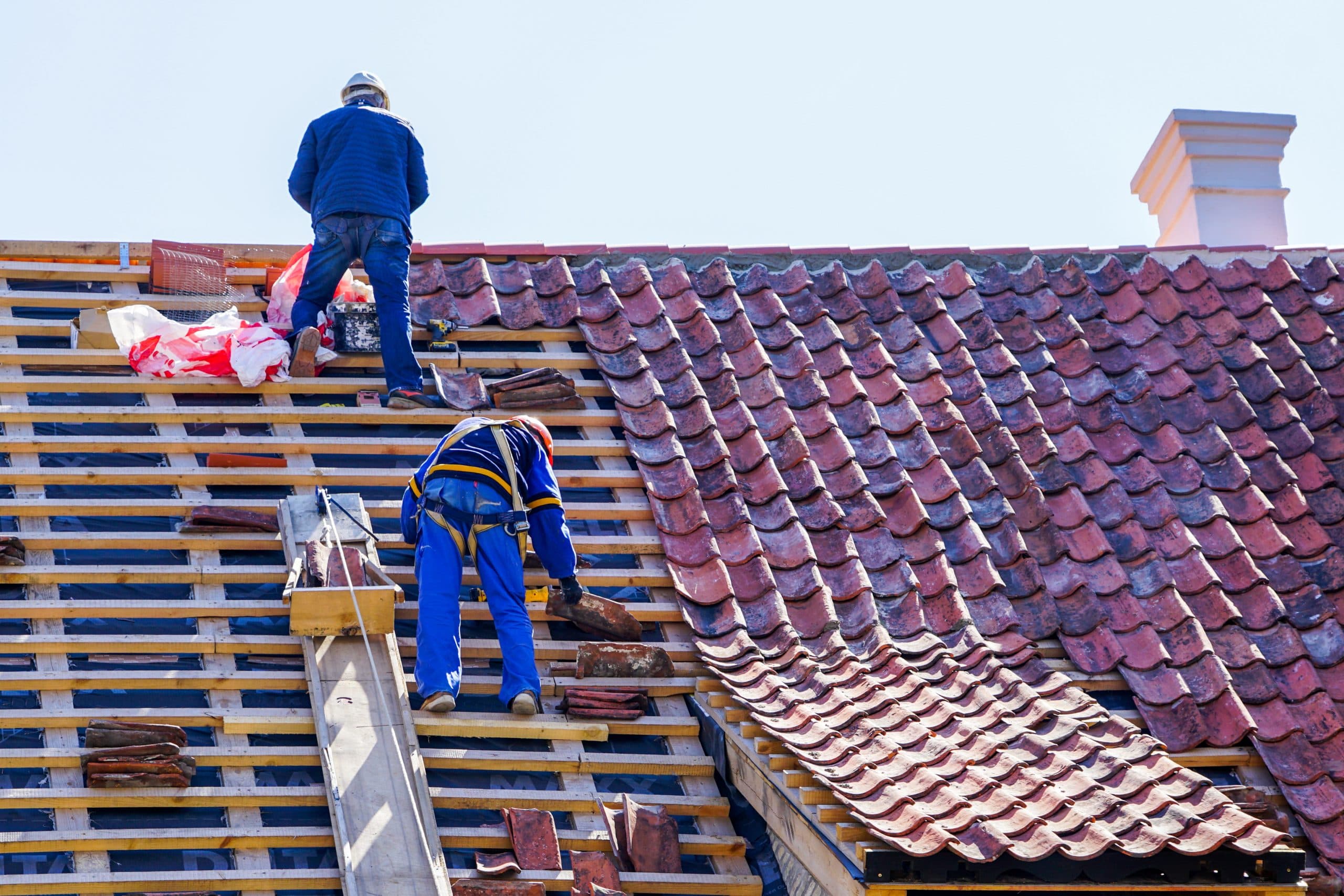
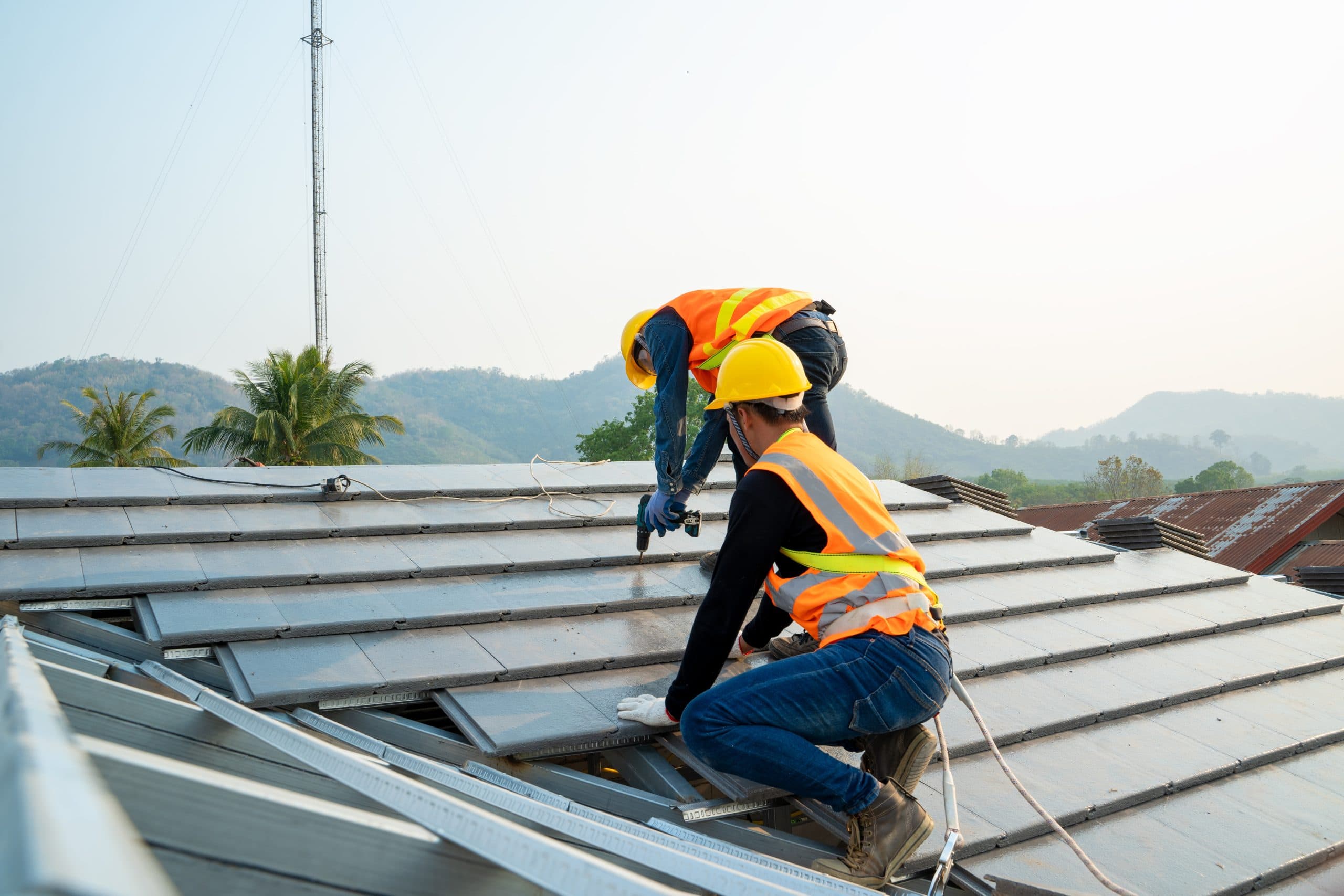
Ground-level checks catch the obvious. A professional inspection catches what decides your roof lifespan: hairline tile cracks invisible from below, deteriorating underlayment at the eaves, failed mortar at ridges, corroded fasteners, and moisture in the decking that has not surfaced yet. Our inspectors document everything in writing with photos, so you have a dated record — useful for insurance claims after a storm and useful when you sell.
Annual inspections also let you plan. Knowing the underlayment has three to five years left is very different from discovering it during a leak in August. We tell homeowners plainly which category they are in, and we say “no work needed” when that is the honest answer.
Before hiring anyone, verify the license. The Arizona Registrar of Contractors runs a free public license search, and every legitimate roofing contractor in Maricopa County or Pinal County will give you their number without hesitation.
Maintenance, Repair, or Roof Replacement Services?
Tile roofing gives you a middle option that other roofing systems do not. When underlayment fails but the tiles are sound, a “lift and relay” removes the existing tiles, replaces the underlayment, and reinstalls the same tiles. You get a new waterproof barrier at meaningfully less cost than a full tear-off with new roofing materials, and the appearance of your home stays identical.
- Maintenance — cleaning, resealing, replacing a handful of tiles. Annual, low cost.
- Minor repairs — flashing, a section of underlayment, a vent boot. Handles most storm damage.
- Lift and relay — new underlayment, existing tiles reused. Typically at 20 to 25 years.
- Full replacement — new underlayment and new tiles, when the tiles are failing or the profile is obsolete.
See our roof repair services and roof replacement services for how we scope each, and our guide on tile vs. shingle roofs if you are weighing roofing materials for a future project.
Tile Roofs and Energy Efficiency
One underrated benefit of a well-maintained tile roof in Arizona: the air gap beneath the tiles creates a ventilated layer that reduces heat transfer into the attic, which is real energy efficiency in a climate where cooling dominates the utility bill. Combined with adequate attic ventilation and insulation, that gap helps protect your home year round and is part of why tile remains popular on Arizona homes despite costing more up front. Blocked valleys and vents reduce that benefit, so maintenance protects your cooling costs as well as your roof.
Frequently Asked Questions
How long does a tile roof last in Arizona?
The concrete tiles commonly last 50 years or more. The underlayment below usually lasts 20 to 25 years in Arizona heat, and that is what dictates when the roof needs work. Most homeowners get one or two underlayment replacements out of a single set of tiles.
How often should a tile roof be inspected?
Once a year, plus after any significant storm. Annual professional inspection is the most cost-effective roof maintenance available for tile, because problems here stay hidden longer than on a shingle roof.
Can I pressure wash my tile roof?
Not recommended. High pressure erodes the tile surface, drives water under the tiles, and requires walking on the roof to do it. If cleaning is needed, have a roofing contractor do it with low pressure and appropriate technique.
What does it cost to replace a few damaged tiles?
Small tile repairs are typically among the least expensive roofing work you will pay for — far below what water damage to decking and insulation costs. Costs vary with tile profile, access, and how many surrounding tiles must be lifted to reach the damaged ones.
Do broken tiles always cause leaks?
Not immediately. The underlayment underneath keeps water out for a while. But exposed underlayment degrades quickly under Arizona sun, so a broken tile that seems harmless in spring is often a leak by the next monsoon season.
Is a tile roof worth the extra cost in Arizona?
For most Phoenix homeowners, yes. Tile handles extreme heat better than asphalt, offers better energy efficiency through its air gap, and the tiles themselves rarely need replacing. The tradeoff is that it requires proper maintenance and periodic underlayment work.
Protect Your Home with a Free Tile Roof Inspection
The cheapest way to protect your home in this climate is to look at the roof before it asks for attention. If it has been more than a year since anyone did, or if a monsoon storm rolled through your neighborhood, book an inspection. Sundance Roofing & Painting serves Chandler, Gilbert, Mesa, Queen Creek, Florence, and the East Valley under Arizona License #329097 — owners on every job, no upfront payment, no upselling, and an A+ BBB rating. If you are in Pinal County, our Florence roofing contractor page has our local details.
Request your free inspection and we will tell you honestly what your tile roof needs — including when the answer is nothing yet.
Keep Reading
More Advice for Arizona Homeowners
Ready When You Are
Get Your Free Estimate
Free estimate. No pressure. Owner on every job — and you don’t pay a dollar until you’re satisfied.
Call (602) 690-8879Get a Free, No-Pressure Quote
Tell us about your project.
Roofing or painting — we’ll call you back within 24 hours to schedule your free on-site estimate.