Blog · October 6, 2026
Eggshell vs. Satin: Which Interior Paint Finish Is Right for Each Room?
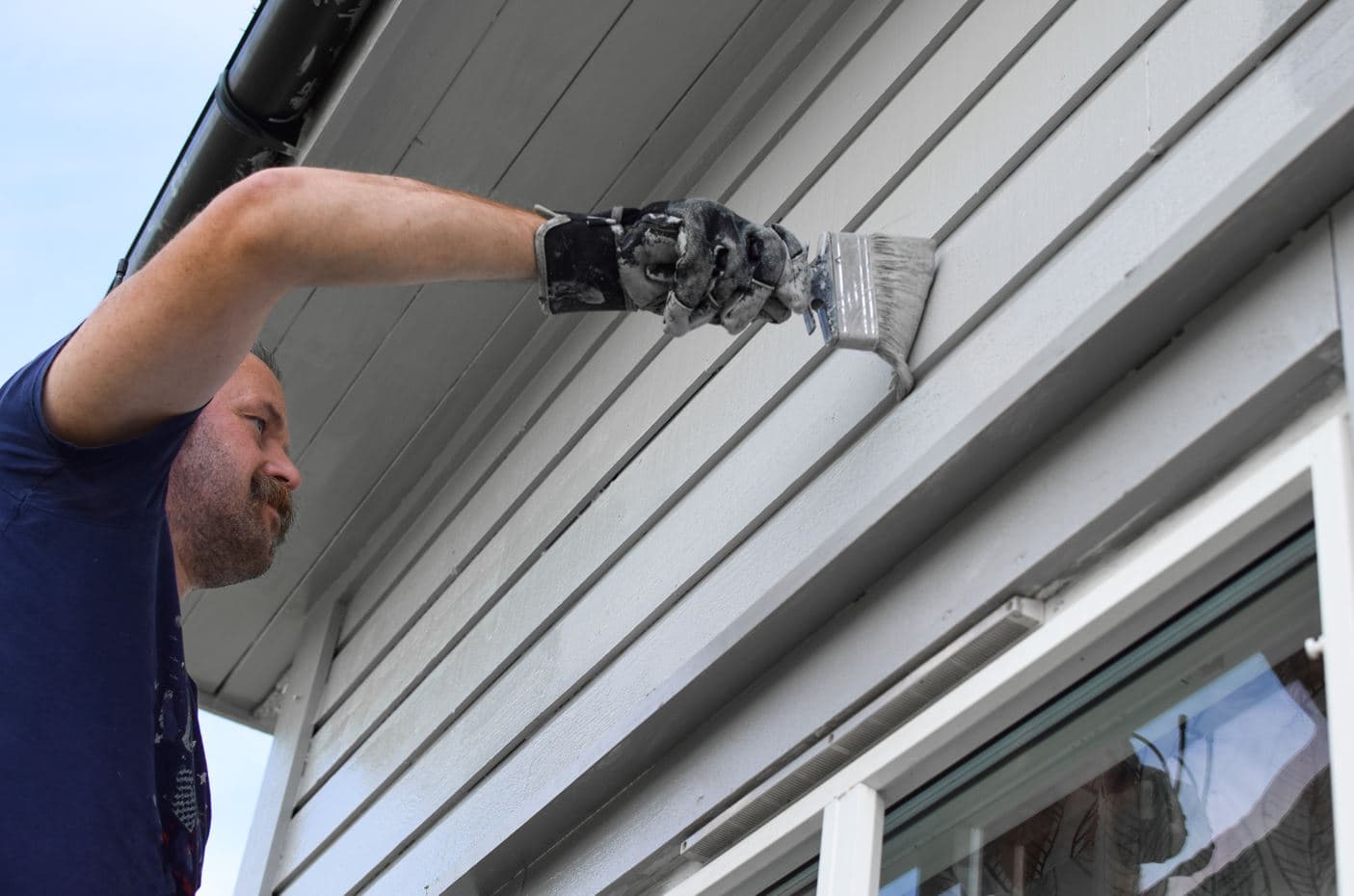
You picked the paint color. Now the paint store asks a second question: what sheen? Most homeowners land somewhere between eggshell and satin, and the two are close enough that the difference feels like a coin flip. It is not. The right paint finish decides how the color looks in your light, how well the walls hide imperfections, and how many years the paint job holds up to kids, dogs, and the Arizona sun coming through the windows. This guide compares eggshell and satin room by room, explains where flat paint and semi gloss still make sense, and gives you a simple rule for choosing. Sundance Roofing & Painting has painted homes across the Valley for more than 20 years, and sheen is the choice we spend the most time talking through with homeowners.
Key Takeaways
- Eggshell paint has a soft, low sheen that hides wall imperfections and adds depth to a color. It is the default for living rooms, dining rooms, and bedrooms.
- Satin paint has a noticeable soft gloss and better durability. It is the better choice for hallways, kids’ rooms, kitchens, high traffic areas, and high moisture areas.
- The higher the sheen, the easier the surface is to clean and the more it shows every roller mark and drywall flaw.
- Flat paint belongs on ceilings and in low traffic rooms. A semi gloss finish and high gloss belong on trim, doors, and cabinets.
- In bright Arizona rooms, drop one sheen level from what you would use elsewhere. Strong sunlight exaggerates shine.
The Paint Sheen Scale Explained
Paint sheen describes how much light a dried paint surface reflects. Manufacturers measure it as gloss units at a set angle, but for homeowners the paint sheen scale runs in a simple order from least to most reflective:
| Paint Finish | Light Reflectivity | Durability and Washability | Best Use |
|---|---|---|---|
| Flat or matte finishes | Lowest; almost no shine | Lowest; scuffs and stains are hard to clean | Ceilings, low traffic areas, walls with many flaws |
| Eggshell | Low; subtle sheen like an egg’s shell | Moderate; wipeable with care | Living rooms, dining rooms, bedrooms, offices |
| Satin | Medium; soft gloss with a slight glow | Good; scrubbable | Hallways, kids’ rooms, family rooms, kitchens, bathrooms |
| Semi gloss | High; clearly shiny | Very good; resists moisture and scrubbing | Trim, doors, cabinets, bathroom walls |
| High gloss | Highest; near mirror-like | Excellent; hardest surface | Front doors, furniture, accent millwork |
Every step up the scale trades one thing for another. More sheen means more durability, easier cleaning, and better moisture resistance. It also means more light reflected off the wall, which highlights every seam, patch, and lap mark. Less sheen hides imperfections and gives colors a rich, velvety depth, but the surface is softer and shows scuffs. Eggshell and satin sit in the middle of that trade, with eggshell a touch livelier than matte finishes, which is exactly why they are the two most common wall finishes.
One note before comparing them: sheen names are not standardized. Benjamin Moore, Sherwin-Williams, Behr, and Dunn-Edwards each set their own gloss levels, and Benjamin Moore even sells a “pearl” finish that lands between eggshell and satin. A satin from one brand can look like an eggshell from another. Always compare within a single brand, and look at a dried sample before committing.
Eggshell vs. Satin Interior Paint Finish: The Key Differences
What is eggshell paint?
Eggshell paint gets its name from the surface of an egg: softer than a true matte finish paint but still mostly matte, with a faint, soft luster when the light catches it. It reflects a bit more light than flat paint, enough to give walls some life without any real shine. On the sheen scale it typically sits at 10 to 25 gloss units. Its lower reflectivity is forgiving. Drywall seams, small patches, and nail-pop repairs disappear under an eggshell finish in a way they never will under satin. Colors read true and a little deeper, which adds depth to interior spaces, because the surface is not bouncing light back at you. Application is also more forgiving: brush marks and roller lap marks blend in, so touch ups later tend to match. That makes it an ideal choice for living areas with imperfect walls. Where it falls short: eggshell is wipeable but not scrubbable. A damp cloth handles fingerprints and light dust. Crayon, grease splatter, or a scuff from a chair back often leaves a mark, and rubbing hard can burnish the paint and leave a shiny spot. It also handles moisture less well than satin, so it is not the first choice for a bathroom with a shower.
What is satin paint?
Satin paint has a soft gloss that reads as a gentle glow rather than a shine. Think of the sheen on satin fabric. It usually falls between 25 and 40 gloss units, well below semi gloss but clearly above eggshell. The additional resins that give satin its sheen also give it a harder, tighter surface. Satin finishes stand up to scrubbing, resist moisture, and shrug off the daily wear of a hallway or a kid’s room. Light bounces off the walls a little more, which can brighten a dim room. Satin has a more noticeable shine than eggshell without looking glossy. Where it falls short: that same reflectivity shows everything. Wall imperfections, uneven texture, and every roller overlap become visible, especially in strong side light from a window. Satin demands more careful application and smoother walls. Touch ups are harder to hide because a fresh patch of satin often flashes against the older paint around it. If you want a flawless finish in satin, prep matters more.
Four points that settle it
- Durability. Satin wins. It has slightly more durability against scuffs and noticeably better washability. If you will be wiping the wall regularly, choose satin.
- Hiding flaws. Eggshell wins. If the walls are older, textured unevenly, or patched, eggshell hides imperfections and satin reveals them.
- Appearance. A matter of taste and light. Eggshell gives colors depth and a calm, velvety look. Satin gives a subtle glow and a slightly more finished, contemporary feel.
- Moisture. Satin wins. In humid rooms, satin’s tighter surface resists water spots and mildew better.
Which Paint Finish for Each Room
Living rooms and dining rooms: eggshell
These are the rooms you look at most and touch least. Eggshell gives the color its richest read, hides the inevitable drywall imperfections in a large wall, and looks elegant under both daylight and lamps. Dining rooms in particular benefit from the softer finish because they are usually lit for atmosphere, not tasks. If the living room doubles as the family room where kids and pets pile onto the couch, consider satin on the walls behind seating, or use eggshell everywhere and plan on a repaint sooner.
Bedrooms: eggshell
Adult bedrooms are low traffic areas with soft lighting. Eggshell suits them. Nurseries and kids’ bedrooms are the exception: fingerprints, marker, and the occasional flying toy make satin the practical choice, and the slightly brighter surface suits a playful color.
Hallways, stairways, family rooms, and playrooms: satin
Hallways are high traffic areas by definition. Shoulders brush the walls, backpacks scrape, hands trail along at kid height. Satin’s washability earns its keep here. The one caution is that long hallway walls under a skylight or at the end of a bright window will show roller marks in satin, so the walls need to be smooth and the painter needs to work carefully. Family rooms and playrooms follow the same reasoning. These rooms take the most abuse in the house, and satin cleans up and lasts.
Kitchens: satin on walls, semi gloss on cabinets
Kitchen walls collect grease film and splatter. Satin lets you wipe them down without burnishing the paint. Kitchen cabinets and trim should go a step higher to semi gloss, which handles constant handling and cleaning. Some homeowners choose satin for a softer, modern cabinet look; it works if the cabinet doors are smooth and you accept a little more wear.
Bathrooms and laundry rooms: satin or semi gloss
These are high humidity environments. A powder room with no shower is fine in satin. A full bath with a shower is better in a satin formulated for bathrooms or in semi gloss, which sheds moisture and resists mildew. Bathroom ceilings should be a moisture-resistant flat or satin, not standard ceiling paint.
Ceilings: flat
Ceilings show every flaw under raking light and take no wear at all, so flat paint is the right paint finish almost every time. A flat finish makes the ceiling recede and hides the joints and texture variations that every ceiling has. The exception is a bathroom ceiling, where a moisture-resistant formula matters more than the sheen.
Trim, doors, and architectural details: semi gloss or high gloss
Baseboards, door casings, window trim, and interior doors get bumped, kicked, and cleaned constantly. Semi gloss paint is the standard. It creates a crisp contrast against eggshell or satin walls and makes the architectural details of a room stand out. High gloss paint is a designer choice for a front door, built-ins, or a statement piece of millwork. It is beautiful and extremely durable, but it shows every brush mark and requires flawless surface prep, so it is best applied by a pro with a sprayer.
How Arizona Light and Paint Color Change the Choice
Arizona homes get intense, direct sunlight through large windows and sliders for most of the year. That light does two things to paint sheen. First, it amplifies shine. A satin wall that looks softly glowing in a Seattle living room can look outright shiny at 2 p.m. in Chandler, and it will spotlight every flaw. Second, strong light reveals texture. Most Valley homes have orange-peel or knockdown texture on the walls, and higher sheens make that texture more pronounced.
Our rule of thumb for bright Arizona rooms: drop one level from what a national guide suggests. Where a guide says satin, consider eggshell. Where it says semi gloss on a sunlit wall, consider satin. In dimmer rooms, such as interior hallways and north-facing bedrooms, follow the standard advice. And in every case, paint a sample board and look at it in the room at different times of day before you buy ten gallons.
Sheen also changes how a paint color reads. Higher sheen makes a color look slightly lighter and cooler because more white light bounces off the surface. Lower sheen makes the same color look deeper and warmer. Dark colors in satin can look almost metallic in strong light; dark colors in eggshell look rich and matte. Whites and off-whites are more forgiving across sheens, though a bright white in satin can feel clinical in a sunny room. When you have a color you love and you are torn on finish, sample both. Most paint stores will mix the same color in eggshell and satin for a few dollars each. Paint two-foot squares side by side on the actual wall and live with them for a day. The right one usually becomes obvious.
Does Paint Quality Matter More Than Sheen?
Yes, and by a wide margin. In a real painting project, a premium eggshell from a top line often outperforms a budget satin on washability, because higher-quality paints use better resins and more of them. Premium paints also cover better, which means fewer coats and a smoother finish. If your budget forces a choice between a better paint and a higher sheen, buy the better paint. It will look better on day one and hold up longer, whatever the finish.
Careful application matters too. Sheen shows more of the painter’s work, so satin and above reward proper prep: patched and sanded walls, primed repairs, and consistent roller technique with a wet edge. Skipping those steps is why so many DIY satin jobs end up with visible lap marks.
Choosing between eggshell and satin comes down to three questions: how much wear will the wall take, how smooth are the walls, and how bright is the room. Answer those and the finish chooses itself. If you would rather have someone look at the rooms with you, the painting team at Sundance Roofing & Painting does it as part of every free estimate, with a finish recommendation for each room and samples you can see on your own walls before anything is mixed.
Frequently Asked Questions
Is eggshell or satin better for interior walls?
Eggshell is the better all-around choice for living rooms, dining rooms, and bedrooms. Satin is better for hallways, kids’ rooms, kitchens, and bathrooms.
Eggshell hides imperfections and gives colors depth, which suits rooms you look at more than you touch. Satin’s washability and moisture resistance earn their keep wherever walls get handled, scrubbed, or steamed.
Can I use satin and eggshell in the same house?
Yes, and most homes should.
A common approach is eggshell in the main living spaces and adult bedrooms, satin in hallways, kids’ rooms, kitchens, and baths, flat on ceilings, and semi gloss on all trim and doors. Keep the same sheen within one continuous wall so the change is never visible.
Is satin too shiny for walls?
Not usually. Satin has a soft gloss, well below semi gloss.
It can look shiny on textured walls in very bright rooms, which is why we often recommend eggshell in sun-drenched Arizona living spaces. In dimmer rooms and hallways, satin’s glow reads as a gentle brightness rather than shine.
Does eggshell paint hide imperfections better than satin?
Yes. Eggshell’s lower light reflectivity hides drywall seams, patches, and texture variations that satin highlights.
If the walls are less than perfect and you are not planning to skim-coat them, eggshell is the safer choice. Satin rewards smooth, well-prepped walls and punishes everything else.
What is the difference between satin and semi gloss?
Semi gloss is noticeably shinier and harder than satin.
It is the standard for trim, doors, and cabinets, and it works on bathroom walls in a full bath. On large walls it tends to look too reflective and shows every flaw, so it rarely belongs on living-room or bedroom walls.
What finish should I use on textured walls?
Flat or eggshell.
Texture catches light, and higher sheens make it more pronounced. If a textured wall needs washability, use a premium eggshell or a matte formulated for scrubbing rather than jumping to satin.
Which paint finish is best for a bathroom?
Satin for a powder room; a bathroom-formulated satin or semi gloss for a full bath with a shower.
The tighter surface of satin and semi gloss sheds moisture and resists mildew. Use a moisture-resistant formula on the ceiling too, since standard flat ceiling paint absorbs steam and stains.
Does the paint finish change how the color looks?
Yes. Higher sheen makes a color look slightly lighter and cooler; lower sheen makes it look deeper and warmer.
The effect is strongest with dark colors and in bright rooms. Sampling the same color in both eggshell and satin on the actual wall is the only reliable way to see which reads the way you want.
Keep Reading
More Advice for Arizona Homeowners

Ready When You Are
Get Your Free Estimate
Free estimate. No pressure. Owner on every job — and you don’t pay a dollar until you’re satisfied.
Call (602) 690-8879Get a Free, No-Pressure Quote
Tell us about your project.
Roofing or painting — we’ll call you back within 24 hours to schedule your free on-site estimate.