Stand on a dark flat roof in Phoenix at 3 p.m. in July and the surface will be 160°F or hotter. That heat does not stay on the roof. It soaks through the roof deck, into the attic, and into the rooms below, and your air conditioner runs for hours to push it back out. Cool roof coatings exist to break that cycle. They reflect sunlight before it turns into heat, so the roof stays cooler, the building stays cooler, and the cooling system works less. This guide explains how cool roof coatings work, which roofs they suit, what they cost in Arizona, and how much you can realistically expect to save on energy bills. Sundance Roofing & Painting installs and recoats foam and flat roofs across the Valley, and we will be straight with you about when a coating is the right call and when it is not.
Key Takeaways
- A cool roof coating reflects 70 to 90 percent of sunlight compared with 5 to 20 percent for a dark roof. Roof surface temperatures drop by 50°F or more on a summer afternoon.
- Studies from Lawrence Berkeley National Laboratory and the U.S. Department of Energy put cooling energy savings from cool roofs at 10 to 20 percent for buildings with poorly insulated attics or flat roofs. Arizona homes sit at the high end.
- Elastomeric coatings for flat and foam roofs cost far less than a roof replacement and can add 10 to 15 years of service life when applied over a sound roof.
- Coatings are not a repair. A flat roof with leaks, saturated foam, or failed seams needs flat roof repair first.
- Cool roofs also reduce the urban heat island effect that keeps Phoenix nights above 90°F.
How Cool Roofs Work
Two numbers describe how a roof handles the sun. Solar reflectance is the share of sunlight the surface bounces back. Thermal emittance is how well the surface releases the heat it does absorb. Cool roofs score high on both. A traditional dark roof is very good at absorbing the sunlight that hits it, turning that energy into heat, and holding onto it. A reflective roof sends most of the sunlight back into the sky and sheds the rest quickly.
The difference on the roof is dramatic. On a 105°F afternoon, a black modified bitumen roof can reach 170°F. A white elastomeric coating on the same roof might sit at 110°F to 120°F, so a cool roof can run up to 60°F cooler than a black one. Less heat on the roof surface means less heat conducted through the roof deck into the attic, and less heat radiating down through the ceiling into the living space. The air conditioner runs less, and the temperature in the home stays steadier between cycles.
Cool roofs also change what happens after sunset. A roof that never reached 170°F has far less stored heat to release into the house through the evening. In Phoenix, where summer nights often stay above 90°F, that matters as much as the daytime savings.
Cool Roof Coatings for Flat Roofs, Foam Roofs, and Pitched Homes
Coatings are the most common way to create a cool roof on an existing Arizona home because so many residential roofs here are flat or low-slope. The main types:
Elastomeric coatings
Elastomeric coatings are thick, flexible, rubber-like liquids applied by spray or roller. Acrylic elastomeric coatings are the most common in Arizona. They are white or light-colored, water-based, reflect sunlight well, and remain flexible through the temperature swings a roof sees between a 40°F January night and a 165°F July afternoon, which makes them well suited to the Arizona climate. Silicone elastomeric coatings cost more but hold up better where water ponds, because silicone does not soften when it stays wet.
Spray foam roofs with reflective coatings
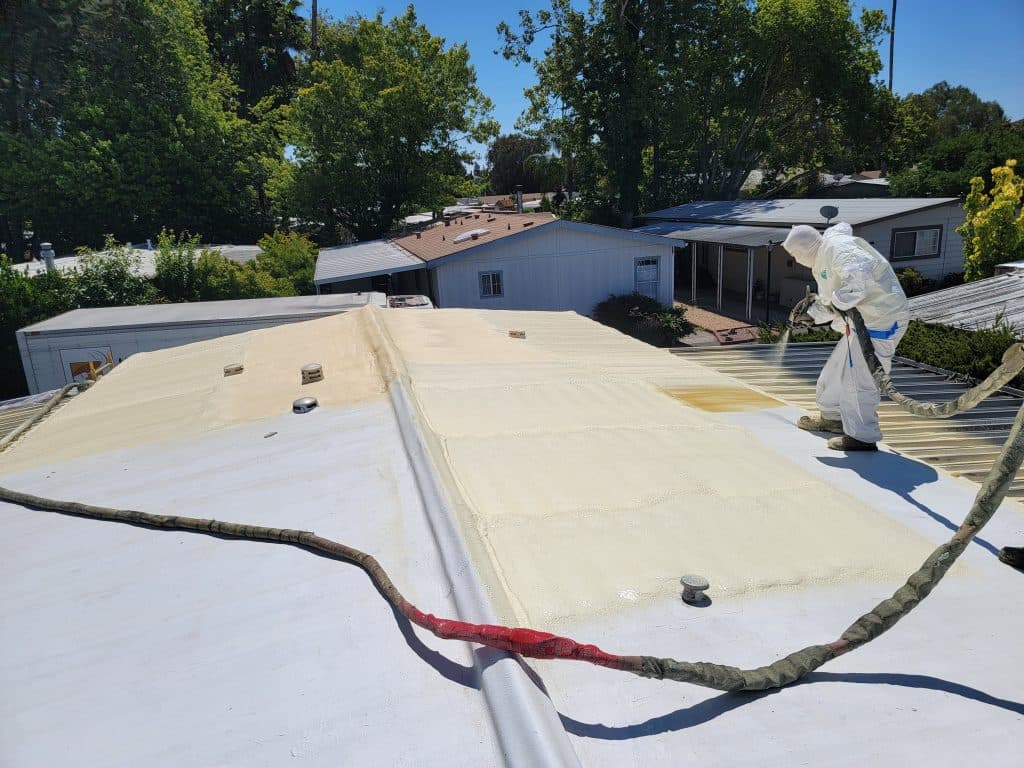
Spray polyurethane foam, or SPF, is itself an insulating roof system, and spray foam roofing is common across the Valley. Foam is sprayed onto the roof deck, where it expands into a seamless layer that both insulates and waterproofs. But foam breaks down in UV light, so every foam roof needs a protective coating. That coating forms a protective layer over the foam and is almost always a white elastomeric, which makes every properly maintained foam roof a cool roof. The Spray Polyurethane Foam Alliance recommends inspecting foam roofs annually and recoating every 10 to 20 years depending on the coating thickness and exposure. In Arizona, plan on the shorter end of that range.
Flat roof coating over modified bitumen or single-ply
Older flat roofs in the Valley are often modified bitumen, a rolled asphalt product, or a single-ply membrane. Both accept a reflective coating if the surface is clean, dry, and intact. A flat roof coating over a sound membrane cools the building and shields the membrane from UV, which is what ages it in the first place.
Cool roof options for pitched Arizona homes
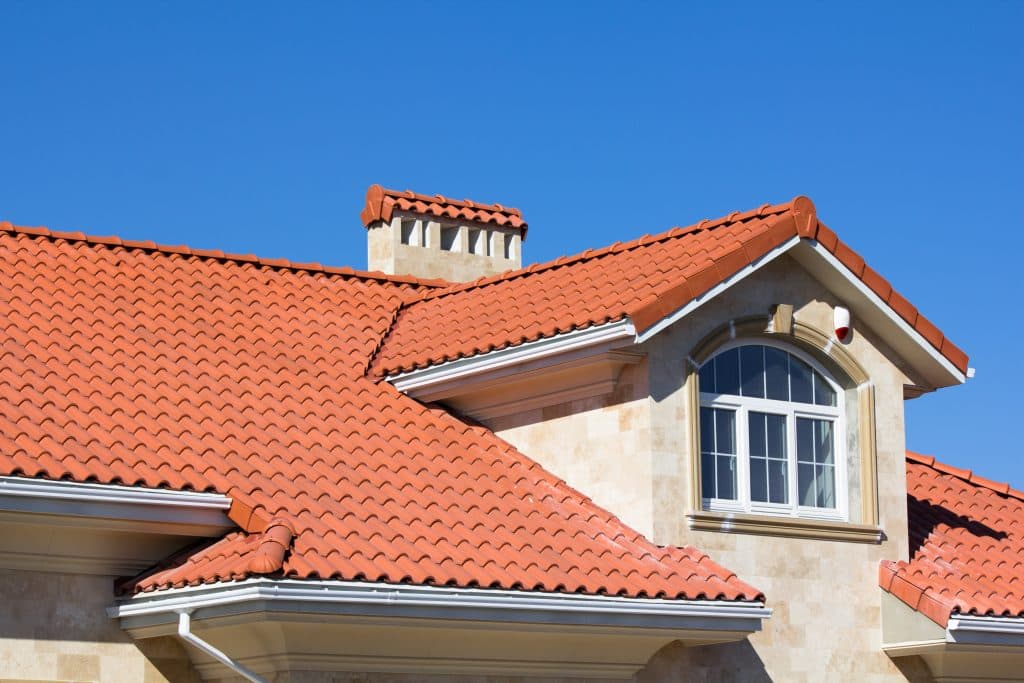
Coatings are mainly for flat and low-slope roofs. If your home has a pitched tile or shingle roof, cool roof choices come at replacement time instead. Light-colored concrete or clay tiles reflect much more sunlight than dark ones, and the air gap under tile lets heat escape before it reaches the deck; some tile lines are rated by the Cool Roof Rating Council. Manufacturers now make cool asphalt shingles with reflective granules in medium and even darker shades that qualify for the ENERGY STAR label. Metal roofing in a light, factory-finished reflective roofing color reflects well and sheds heat fast after sunset. Radiant barriers and attic ventilation work with any roof to keep attic heat from reaching the living space.
How Much Can Cool Roofs Lower Energy Bills in Arizona?
The honest answer is that it depends on your roof and your attic. Here is what the research and our experience in the Valley show about how cool roof coatings improve energy efficiency and lower summer electric use.
| Situation | Typical Cooling Energy Savings | Why |
|---|---|---|
| Flat or foam roof, older home, little attic insulation | 15 to 25 percent | Heat from the roof reaches the living space almost directly. The coating stops it at the surface. |
| Flat roof, well insulated | 8 to 15 percent | Insulation already slows heat transfer. The coating reduces what the insulation has to fight. |
| Pitched roof with vented attic, dark shingles | 5 to 10 percent with cool shingles or tile | The attic buffers the living space, so roof surface temperature matters less. |
| Commercial buildings with flat roofs and rooftop HVAC | 10 to 20 percent | Cooler roof air means the rooftop units pull in cooler air and run more efficiently. |
The Department of Energy’s Cool Roof Calculator and studies from Lawrence Berkeley National Laboratory put the national average for cooling savings from cool roofs at about 10 to 15 percent. Arizona homes see more because the cooling season is longer and hotter. For a Phoenix-area home spending $300 a month on electricity through the summer, a 15 percent cut in cooling energy can lower cooling costs by about $250 to $400 a year. Over a coating’s 10-to-15-year life, that adds up to a meaningful share of the coating’s cost, before you count the years it adds to the roof.
Two caveats. First, cool roofs slightly increase heating costs in winter, but Arizona winters are short and mild, so the winter penalty is small compared with the summer savings. Second, coatings lose reflectivity as they get dirty. Dust storms and airborne grit will darken a white roof over a few years. A rinse each fall keeps the reflectance high.
Benefits beyond the bills
Longer roof life. Heat and UV rays are what age a roof. A roof that stays 50°F cooler and has its surface protected from UV lasts longer. Coatings routinely add years to a flat roof that would otherwise need a tear off and replacement. Less strain on the HVAC system. An air conditioner that runs fewer hours lasts longer and needs fewer repairs. In Arizona, where a compressor replacement can cost as much as a roof coating, that is a real benefit. A more comfortable home. Rooms under a flat roof, especially additions and converted patios, often run several degrees hotter than the rest of the house. A cool roof coating evens that out. A cooler city. Dark roofs and pavement are the main reason the urban heat island effect keeps Phoenix nights so warm. Every reflective roof helps the local environment, and the City of Phoenix has its own cool roof and cool pavement programs for that reason. Moisture protection. A seamless elastomeric coating seals hairline cracks and small seams, which is why coating and flat roof repair usually go together.
When a Cool Roof Coating Is Not the Answer
A coating is a protective layer, not a fix. We inspect every roof before we recommend coating it, and we turn down coating jobs when the roof underneath is not ready. Skip the coating and repair or replace first if:
- The roof has active leaks. Coating over a leak traps moisture and hides the problem until it comes through the ceiling.
- A foam roof has saturated or soft areas. Wet foam has to be cut out and replaced before recoating.
- A modified bitumen or single-ply roof has open seams, alligatoring, or blisters across large areas. That roof is at the end of its service life.
- Water ponds for more than 48 hours after rain. Ponding needs a drainage fix, and only silicone coatings tolerate standing water.
- The roof deck is sagging or soft. That is a structural repair, not a coating job.
In those cases we will tell you the roof needs flat roof repair or replacement first, and we will tell you why. Once the roof is sound, a cool roof coating is the best way to protect the money you just spent.
Cool Roof Coating Arizona Pricing and How the Job Is Done
Costs vary with roof condition, the coating type, and the thickness applied. Typical Valley pricing:
- Acrylic elastomeric recoat on a foam or flat roof: $1.50 to $3.50 per square foot, or roughly $3,000 to $7,000 for a 2,000-square-foot roof in good condition.
- Silicone coating: $2.50 to $5 per square foot, mainly where ponding is a concern.
- New spray foam roof with coating: $7 to $12 per square foot, including tear-off of the old roof where needed.
- Flat roof repair before coating: varies widely, from a few hundred dollars for seam work to several thousand for replacing saturated foam sections.
Compare that with $15,000 to $30,000 for a full flat roof replacement, and it is easy to see why recoating on schedule is the most cost-effective roof maintenance an Arizona homeowner with a flat roof can do. Some utilities have offered cool roof rebates in the past, and cool roof products with the ENERGY STAR label may qualify for federal tax credits in some years, so ask before you sign.
Our process on a flat or foam roof
A coating only performs as well as the prep underneath it. First, an inspection: we walk the roof, check for soft spots, test seams and penetrations, and look at drainage, and you get a written assessment of what needs repair and what is sound. Then repairs: saturated foam is cut out and replaced, seams, flashings, and penetrations are sealed, and ponding areas are corrected where possible. Then cleaning: the roof is pressure washed to remove monsoon dust and debris and allowed to dry fully, because coating over dust or moisture is the most common reason coatings fail early. Then the coating itself, applied in two coats to the manufacturer’s specified thickness with extra attention at seams, edges, and around HVAC curbs. Finally, follow-up: an annual inspection and a rinse each fall keep reflectivity high, since monsoon wind and dust shorten a coating’s life if the roof is never cleaned.
If you have a flat or foam roof in the Phoenix area, a cool roof coating is almost always worth it, either now or when the current coating wears out. If you have a pitched tile or shingle roof, cool roof choices belong at replacement time, and better attic ventilation may do more for you in the meantime. Sundance Roofing & Painting provides a free inspection with the owner on every job, so you know exactly what your roof needs, what it will cost, and what you can expect to save before any work starts.
Frequently Asked Questions
How much cooler does a cool roof coating make the house?
Roof surface temperature typically drops 50°F to 60°F on a summer afternoon.
Inside, homes with flat roofs and limited insulation often see the rooms under the roof run 3°F to 6°F cooler at the same thermostat setting, with the air conditioner cycling less. Well-insulated homes see a smaller indoor change but still cut cooling energy.
How much do cool roofs lower energy bills in Arizona?
Most Arizona homes with flat or foam roofs save 10 to 25 percent on cooling energy, or roughly $250 to $400 a year on a typical Phoenix-area electric bill.
The savings are highest on older homes with little attic insulation and lowest on pitched roofs with a vented attic. Cool roofs also reduce heat stored in the roof, which lowers nighttime cooling loads in a way the daytime numbers alone do not show.
How long does an elastomeric roof coating last in Arizona?
A properly applied acrylic elastomeric coating over sound foam or membrane lasts 10 to 15 years in the Valley before it needs recoating.
Silicone lasts a bit longer, especially where water ponds. Annual inspections and keeping the roof clean extend the life of either type, and recoating on schedule is far cheaper than letting the coating fail and replacing the roof.
Can I apply a cool roof coating myself?
Small patches, yes. Full-roof applications are a job for a professional.
Hardware stores sell elastomeric coatings for DIY use. Getting the thickness right, sealing seams properly, and spotting saturated foam before you coat over it take experience, and a coating applied over a wet or dirty roof fails within a season.
Do cool roofs work on tile roofs?
Coatings are not applied to tile. Tile roofs become cool roofs through the tile color and profile you choose at replacement time.
The natural air gap under tile already lets heat escape before it reaches the deck. Improving attic ventilation is the best cool-roof step for an existing tile roof, and a lighter tile color is the upgrade to plan for when the underlayment is next replaced.
Will a white roof look bad from the street?
On a flat roof, the coating is not visible from the ground.
On low-slope roofs where the edge shows, coatings come in light tan and gray as well as white, with somewhat lower reflectance. Most Arizona homeowners choose white where it cannot be seen and a light tan where it can.
Is a cool roof coating the same as a roof repair?
No. A coating protects a sound roof; it does not fix a failing one.
Leaks, saturated foam, open seams, and ponding all need flat roof repair before any coating goes on. Coating over those problems hides them and traps moisture, which makes the eventual repair more expensive.
Keep Reading
More Advice for Arizona Homeowners
Ready When You Are
Get Your Free Estimate
Free estimate. No pressure. Owner on every job — and you don’t pay a dollar until you’re satisfied.
Call (602) 690-8879Get a Free, No-Pressure Quote
Tell us about your project.
Roofing or painting — we’ll call you back within 24 hours to schedule your free on-site estimate.