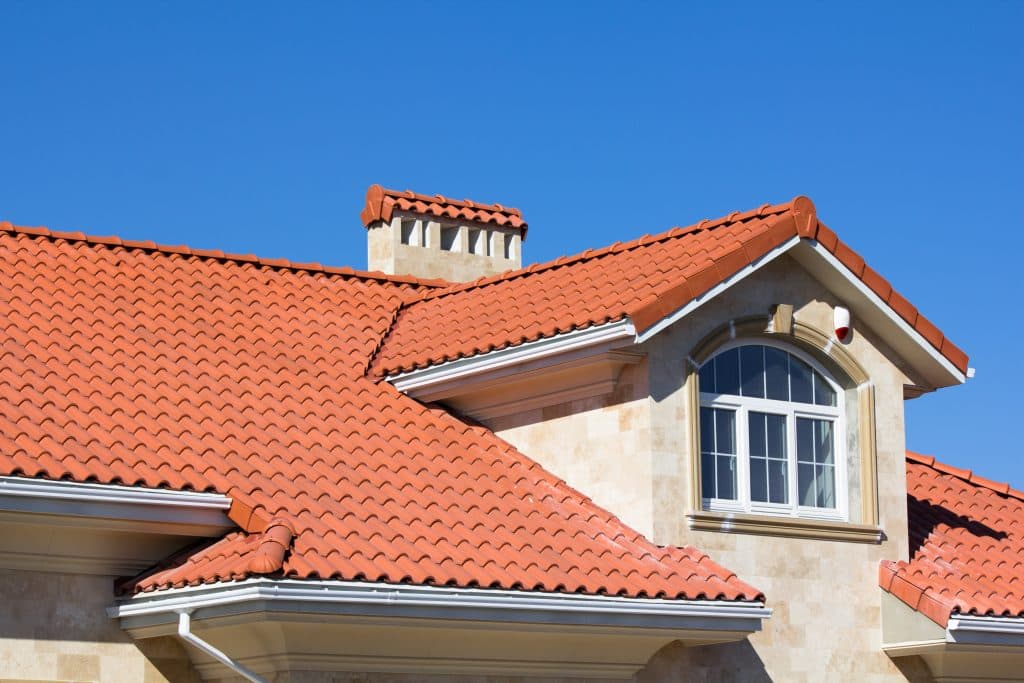
Homeowners ask us this question in two situations. Either they are planning to sell and wondering if a roof replacement will pay for itself, or the roof is failing and they want to know whether the money is going into the house or disappearing into thin air. The short answer is yes, a new roof does increase home value, but not always dollar for dollar. How much value it adds depends on the condition of the old roof, the roofing materials you choose, and what buyers in your Arizona neighborhood expect. This guide explains what the national data says, how the Arizona market changes the math, and when a roof replacement is a smart investment versus a necessary one.
Key Takeaways
- A new roof typically recovers 50 to 70 percent of its cost in resale value according to the Remodeling Magazine Cost vs. Value report, and close to 100 percent in surveys from the National Association of Realtors.
- In Arizona, the bigger effect is often on whether a home sells at all. A damaged roof or one with little life left can stall a sale, fail an inspection, or trigger a price reduction larger than the replacement cost.
- Asphalt shingles offer the most predictable return. Tile and metal roofing cost more upfront but match what buyers expect in many Valley neighborhoods.
- Cool roof materials and a transferable warranty add value beyond the roof itself.
- If the existing roof has real problems, replacing it before listing almost always beats negotiating a credit.
Does a New Roof Increase Home Value? What the Data Says
Two national sources track how much value home improvements add at resale. They measure different things, so they give different numbers.
The Remodeling Magazine Cost vs. Value report compares the average price of a project with the resale value real estate agents estimate it adds. In recent editions, a new asphalt shingle roof on a typical home costs roughly $30,000 and returns about 55 to 60 percent of that at sale. A metal roofing replacement costs closer to $47,000 and returns around 48 percent. By that measure, a roof replacement recovers about the same share of its cost as a mid-range kitchen remodel.
The National Association of Realtors Remodeling Impact Report, produced with the National Association of the Remodeling Industry, asks agents and homeowners a broader question: what did the project do for the sale? In that survey, a new roof consistently ranks near the top of all home improvement projects, with a cost recovery of 100 percent or more. Agents also name roofing as one of the projects they most often recommend before listing.
Why the gap? The Cost vs. Value report measures added value on a home that already has a functional roof. The NAR survey captures what happens when a home with a bad roof gets a new one. In the real world, most homeowners are in the second situation. Nobody replaces a roof with ten good years left in it to boost the asking price. They replace an old roof because it is failing, and in that case the new roof does not just add value. It protects the value that was already there.
How Much Value Does a New Roof Add in Arizona?
National averages are a starting point. Arizona changes the picture in a few ways.
Roof condition is visible from the street
Arizona homes are mostly single story or low-pitched two story, and the roof is a large part of the home’s exterior. Buyers see faded, curled shingles or a patchwork of mismatched tiles before they reach the front door. In a market where most listings have a tile roof in decent shape, a brand new roof improves curb appeal instantly and tells buyers they will not face a roofing bill right after moving in, and that shapes the offer.
Inspections and insurance drive the decision
Home inspectors in Arizona pay close attention to the roof because the sun destroys underlayment faster here than almost anywhere in the country. A tile roof with 25-year-old underlayment will get flagged even if every tile looks perfect. Insurance companies have also tightened up. Many now require a roof inspection on homes with roofs older than 15 to 20 years, and some will not write a policy until roof problems are fixed. A new roof installed to current code can also help with premiums from the insurance company. A buyer who cannot get insurance cannot close. That is where a new roof stops being a nice-to-have and becomes the difference between a sale and a fall-through.
Buyers here understand energy costs
Cooling bills in Phoenix, Chandler, and Mesa run high for half the year. Potential buyers know it. A cool roof, a light-colored tile, or a new foam roof with a reflective coating signals lower cooling costs, and many buyers will pay more for a home that costs less to run. Energy efficiency is a real selling point in Arizona in a way it is not in milder climates.
Market conditions still matter
In a seller’s market, buyers overlook an old roof and negotiate a credit. In a balanced or slower market, a roof with problems can knock a home off many buyers’ lists entirely. The added value of a new roof is highest when buyers have choices.
Roofing Materials and Resale Value
The material you choose changes both the replacement cost and how much value the roof adds. Here is how the common Arizona options compare.
| Roofing Material | Typical Arizona Cost (2,000 sq ft home) | Expected Lifespan in Arizona | Resale Impact |
|---|---|---|---|
| Asphalt shingles | $12,000 to $25,000 | 15 to 25 years | Most predictable return; matches what buyers expect in shingle neighborhoods |
| Concrete or clay tile | $25,000 to $50,000 (tile roof underlayment replacement: $10,000 to $25,000) | Tile 50+ years; underlayment 20 to 30 | Expected in most Valley subdivisions; new underlayment reassures inspectors |
| Metal roofing | $30,000 to $60,000 | 40 to 70 years | Strong on energy and longevity; return depends on neighborhood style |
| Foam (SPF) with reflective coating | $15,000 to $30,000 | 25+ years with recoating every 10 to 15 | Popular on flat roofs; buyers value the cooling savings |
| Slate | $60,000+ | Over 100 years | Rare in Arizona; premium look, limited buyer pool |
Asphalt shingles remain the value choice. A new asphalt shingle roof costs the least, installs the fastest, and is what most asphalt roof shingles are replaced with. Most asphalt shingle roofs in Arizona last toward the shorter end of their rated life because of UV exposure, so buyers appreciate a recent install. Architectural shingles in a lighter color add a little cooling benefit and a lot of curb appeal over basic three-tab.
Tile is the standard in most Arizona subdivisions built since the 1980s. If your existing roof is tile, you usually do not replace the tile at all. You replace the underlayment beneath it, reuse the tile, and replace only the broken pieces. That costs far less than a full roof replacement and gives buyers the thing they actually care about: a roof that will not leak for another 20 years.
Metal roofing has grown in popularity for its lifespan and reflectivity. Does a metal roof increase home value? Yes, but the added value is highest where metal fits the neighborhood, such as custom homes, rural properties, and modern designs. In a sea of tile, a standing-seam metal roof can look out of place to some buyers.
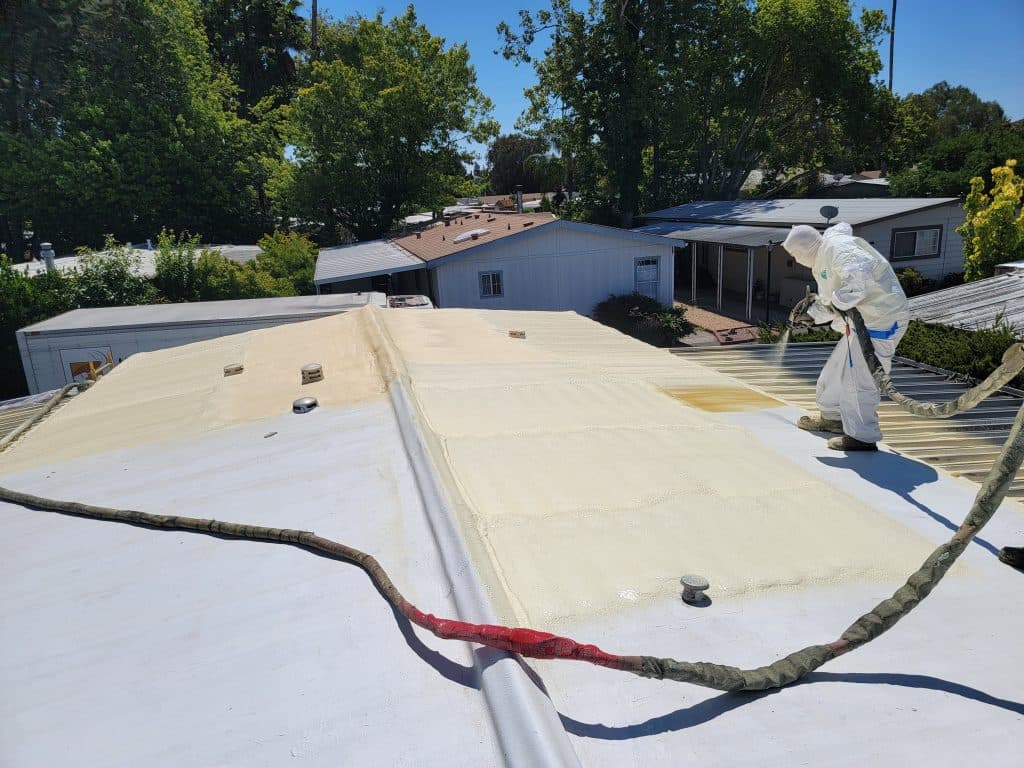
Foam is the go-to for flat and low-slope Arizona homes. It seals the entire roof in one piece, insulates, and reflects heat. Buyers of flat-roofed homes in Phoenix and Tucson often ask specifically when the foam was last coated. Slate roofs are beautiful and last for generations, but they are heavy, expensive, and rare in Arizona. Few buyers here are shopping for one, so the premium rarely comes back at sale.
Replace, Repair, or Offer a Credit Before Selling
Not every roof needs replacing before a sale. Here is how we help homeowners decide.
Replace before listing if:
- The roof is leaking now or has active roof damage, such as cracked shingles, exposed underlayment, or broken tiles across multiple areas.
- The roof is past 80 percent of its expected lifespan. Buyers’ inspectors will call it out, and insurers may balk.
- Hail damage or storm damage is covered by your insurance. A claim-funded replacement is the best return on a roof you will ever get.
- Comparable homes on the market have newer roofs and yours does not.
Repair and disclose if:
- The roof has real life left and the problems are isolated, such as a few damaged shingles or one slipped tile.
- You are selling in a strong market where buyers expect to take on some projects.
- The replacement cost would exceed the likely price difference, and a professional roof inspection report showing five or more years of useful life will satisfy buyers.
One more factor: a transferable warranty. Many manufacturer and workmanship warranties transfer to the next owner. A roof with a written, transferable warranty is worth more to a buyer than the same roof without one, because it turns “new roof” from a claim into a promise. Ask your roofing professional about this before the work starts.
The hidden costs of keeping an old roof
Homeowners weighing a roof replacement usually compare the replacement cost with the added value at sale. That leaves out the third number: what an old roof costs while you keep it. A roof at the end of its useful life leaks. Leaks damage drywall, insulation, and framing. Water that gets into the home’s structure invites mold, and mold remediation in Arizona runs into the thousands. A roof with roof problems also raises your insurance premiums or costs you coverage entirely, which hurts the home’s resale and its market value by raising carrying costs and shaking buyer confidence. And a hot, dark, aging roof with failing underlayment makes the attic hotter, which makes the air conditioner work harder every summer. Add those up over the years you would keep the old roof, and the math shifts. Many homeowners find that a new roof pays them back twice: once in lower repair and energy costs while they live there, and again at the home sale.
Getting the Most Value From a New Roof
If you decide to replace, a few choices raise the return.
- Match the neighborhood. Buyers interested in a tile neighborhood want tile. Choose the material that fits the comparable home down the street, then upgrade the color or profile. Spending more money on a premium roof pays off only when it fits the property’s market.
- Choose a lighter color or cool roof product. In Arizona, a cool roof is a selling point you can put in the listing. Energy savings are real and buyers know it.
- Insist on proper installation. The best roofing materials fail early when the flashing, ventilation, and underlayment are done wrong. Proper installation is what the warranty actually protects.
- Keep the paperwork. The permit, the invoice, the material specs, and the warranty documents all belong in the disclosure packet. A move-in ready home with a documented new roof sells faster and closer to the asking price.
- Pair it with a paint job. A fresh exterior paint job and a new roof together transform the home’s exterior for a fraction of what either does alone in perceived value. The roof makes up a large share of what most buyers see first. One team, one schedule, one before-and-after photo for the listing.
The right answer depends on your roof, not a national average. Sundance Roofing & Painting has replaced and repaired roofs across Chandler, Gilbert, Mesa, Phoenix, and the surrounding areas for more than 20 years. A free inspection tells you honestly how much life the roof has left and what a repair, underlayment replacement, or full roof replacement would cost, so you can decide with real numbers instead of guesses.
Frequently Asked Questions
How much does a new roof increase home value?
National data puts the added value between 55 and 100 percent of the replacement cost, depending on the source and the condition of the roof being replaced.
The Cost vs. Value report measures a new roof on a home whose old roof still worked, which is why its figure is lower. In Arizona, replacing a failing roof often protects more value than it adds, because a bad roof can block insurance, fail inspection, or hurt the home’s resale by lowering the asking price more than the roof costs.
Will a new roof increase my appraisal value?
It supports a higher appraisal value, but appraisers rarely add the full replacement cost.
Appraisers note the condition and remaining life of the home’s roof and compare it with recent sales nearby. The bigger effect is on buyer offers and on avoiding a reduction for a roof in poor condition, rather than a line-item bump for a brand new roof.
Is it better to replace the roof or offer a credit to the buyer?
If the roof clearly needs replacing, doing it yourself before listing usually costs less and attracts more buyers.
Buyers typically ask for a credit larger than the actual replacement cost, because they are pricing in uncertainty and hassle. If the roof has several years of life, a professional inspection report and a smaller credit often works better than a full replacement.
Do asphalt shingles or tile add more value in Arizona?
Tile adds more perceived value in tile neighborhoods, which covers most of the Valley. Asphalt shingles add the most value relative to their cost.
The right material is the one the surrounding homes have. Shingles in a shingle neighborhood and tile in a tile neighborhood both return well. The wrong material for the street can actually hurt resale, no matter how good the roof is.
Does a metal roof increase home value more than shingles?
Not usually in percentage terms. Metal roofing costs more and returns a smaller share of its cost at sale.
Metal earns its price on lifespan and energy efficiency, and it adds the most value on custom, rural, and modern homes where it fits the design. In a typical tile subdivision, most buyers will not pay a premium for it.
Does a cool roof really matter to buyers?
In Arizona, yes. Lower cooling costs are one of the first things many buyers ask about.
A reflective tile, light-colored shingle, or coated foam roof is worth mentioning in the listing. Energy savings are easy for buyers to understand here, and a cool roof often shows up in the appraisal notes as an upgrade.
How long does a new roof take to pay for itself?
At sale, a new roof recovers most of its cost immediately. If you stay, the payback comes through avoided repairs, lower insurance risk, and lower energy bills.
Many homeowners find the new roof pays them back twice: once during the years they live under it, and again at the home sale when the roof is not a negotiating point.
Keep Reading
More Advice for Arizona Homeowners
Ready When You Are
Get Your Free Estimate
Free estimate. No pressure. Owner on every job — and you don’t pay a dollar until you’re satisfied.
Call (602) 690-8879Get a Free, No-Pressure Quote
Tell us about your project.
Roofing or painting — we’ll call you back within 24 hours to schedule your free on-site estimate.