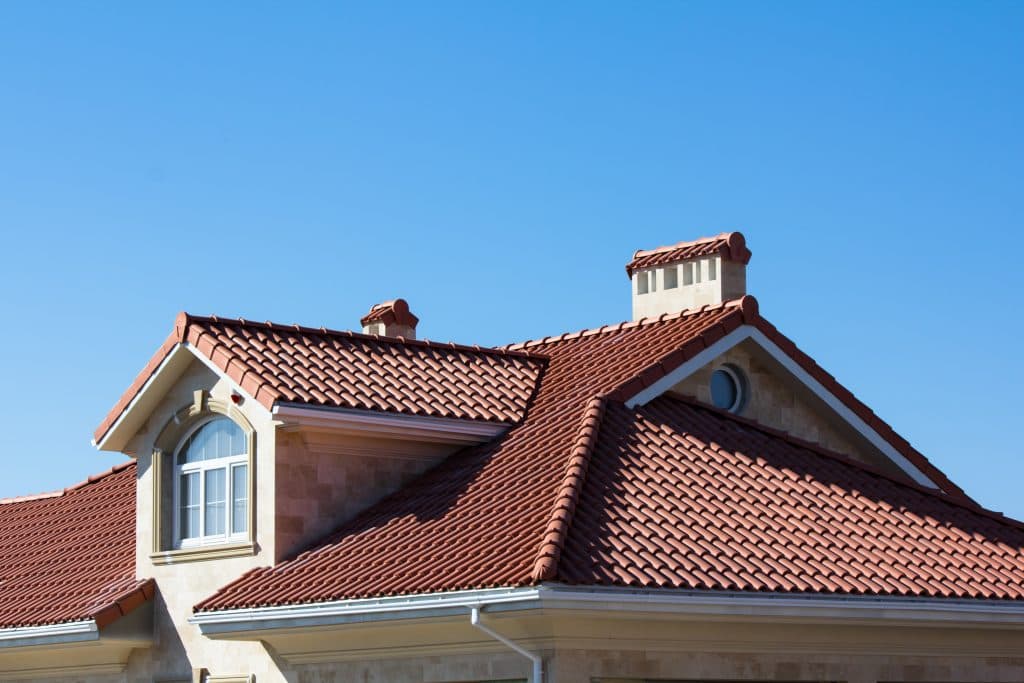
The “tile lasts longer, shingles cost less” framing is true but incomplete — it skips the variables that actually decide a roof: underlayment life, structural load, heat-flux behavior, and rooftop access. This guide builds a decision framework grounded in Arizona heat data and full roof-system thinking, not just material-level pros and cons. Sundance Roofing & Painting handles both tile and shingle roofs across Maricopa and Pinal counties, so this comparison comes from job-site experience, not preference.
Key Takeaways
- Tile isn’t automatically cooler because of color; assembly and ventilation drive heat-flux performance.
- Tile-covering lifespan and full roof-system lifespan are different decisions — underlayment ages on its own schedule.
- Phoenix homeowners face roughly 4,765 cooling degree days a year, so thermal mass and energy efficiency aren’t side notes.
- Asphalt shingles aren’t one category: standard vs. cool shingles changes the math.
- Structure, future solar plans, and rooftop access can favor shingles even when tile wins on paper.
What Actually Differs Between Tile and Shingle Roof Systems
Most comparisons stop at the surface material. The real decision is between two different roof systems, and they differ at every layer — not just the top. A roof system includes the deck, underlayment, fastening, and surface covering. Tile and shingle roofs build each of those layers differently, which is why the comparison can’t rest on the visible covering alone. Choosing the right roofing material means understanding how these systems perform as complete assemblies and how different materials respond to Arizona’s climate.
Lifespan of the Covering vs. Lifespan of the System
Clay and concrete tile can last for decades as a covering, but the underlayment beneath it has its own service life. In Arizona heat, that underlayment often reaches the end of its useful life before the tile does — which means a “tile roof” can need significant work while the tile itself still looks fine.
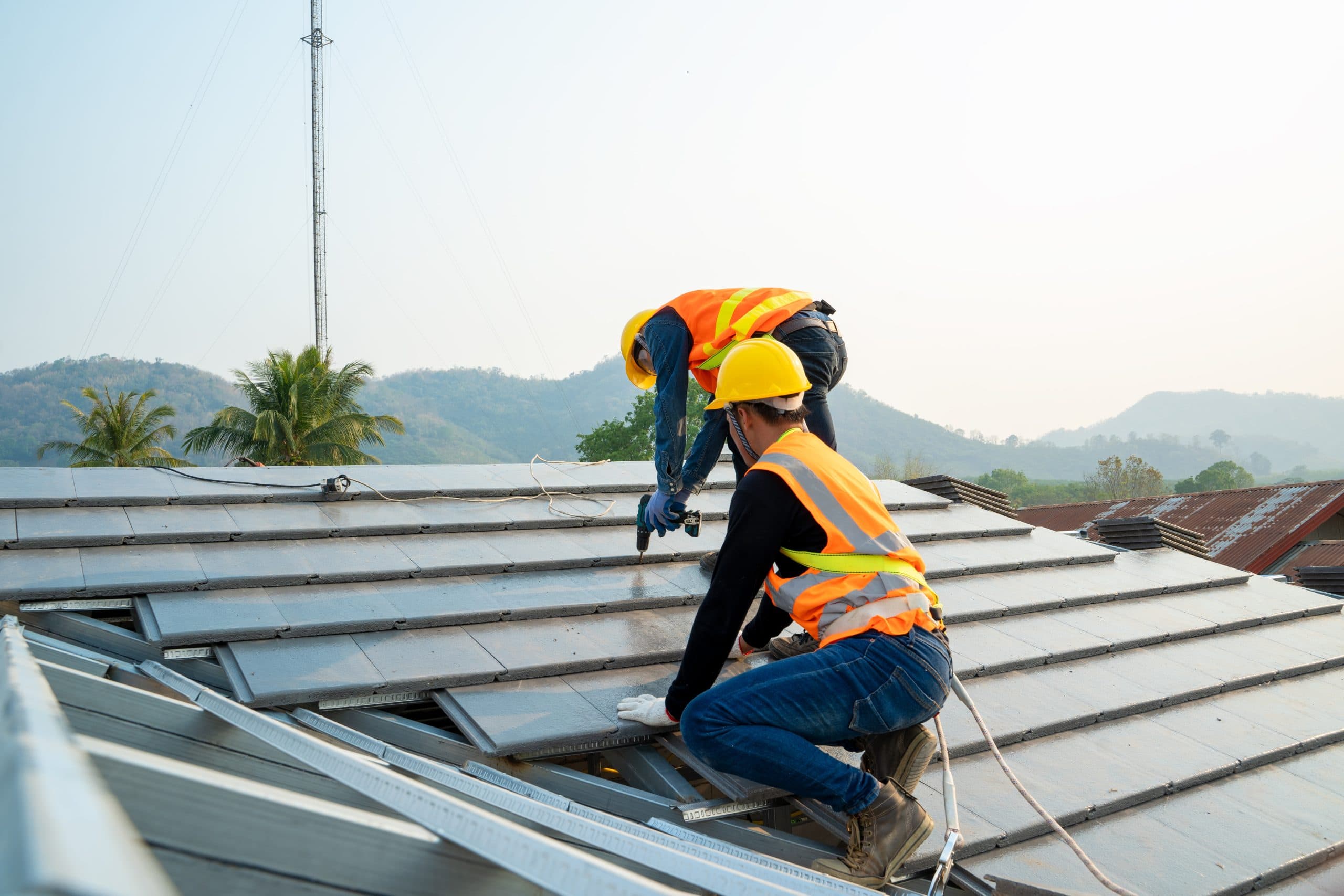
Asphalt shingle roofs are simpler to think about, because the covering and the protective layer below it tend to age on closer timelines. That simplicity is part of why an asphalt shingle roof replacement tends to be a more straightforward project than a tile rebuild on the same home. The takeaway: lifespan comparisons that pit one number against another miss the layer underneath — look at the whole system, not just the shingles or tiles on top.
Structure, Fastening, and Why Tile Installation Is More Specialized
Tile is heavier than asphalt and depends on fastening choices a shingle system never has to make. The Tile Roofing Industry Alliance updated its concrete and clay roof tile installation manual in March 2024, with criteria tied to current ASCE 7-16 and ASCE 7-22 wind uplift standards.
Specialized installation matters in a few specific ways:
- Concrete tiles and clay tiles add meaningful structural load the framing has to carry.
- Fastening pattern and batten layout change with wind exposure and tile profile.
- Flashing, ridge, and hip details require different methods than a shingle crew uses.
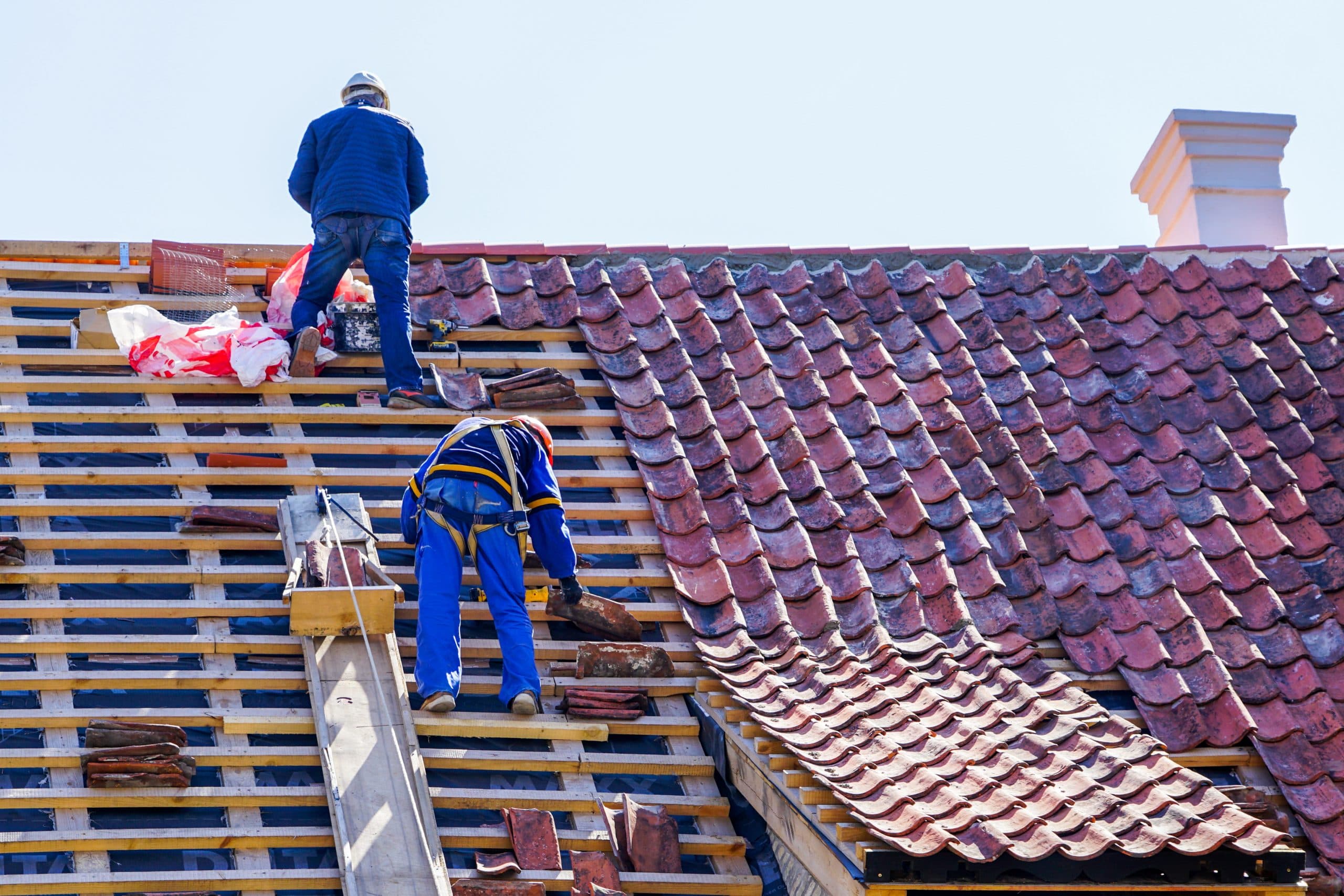
- Walking surfaces during installation must avoid breakage on already-installed tile.
Shingle systems are not free of installation rigor, but they do not face the same codified, evolving structural demands. Fiberglass-based asphalt shingles and organic-mat shingles both install faster than concrete tile roof systems. That is the practical reason a tile roof replacement typically takes longer and costs more per square foot than a shingle project on a comparable home. Once the system difference is clear, the heat-performance question becomes easier to read honestly. Tile roofs require structural evaluation before installation, while most shingle roofs do not.
How Tile and Shingle Roofs Handle Arizona Heat
According to the Florida Solar Energy Center, a vented tile roof reduced ceiling heat flux by 48% compared with a black-shingle roof.
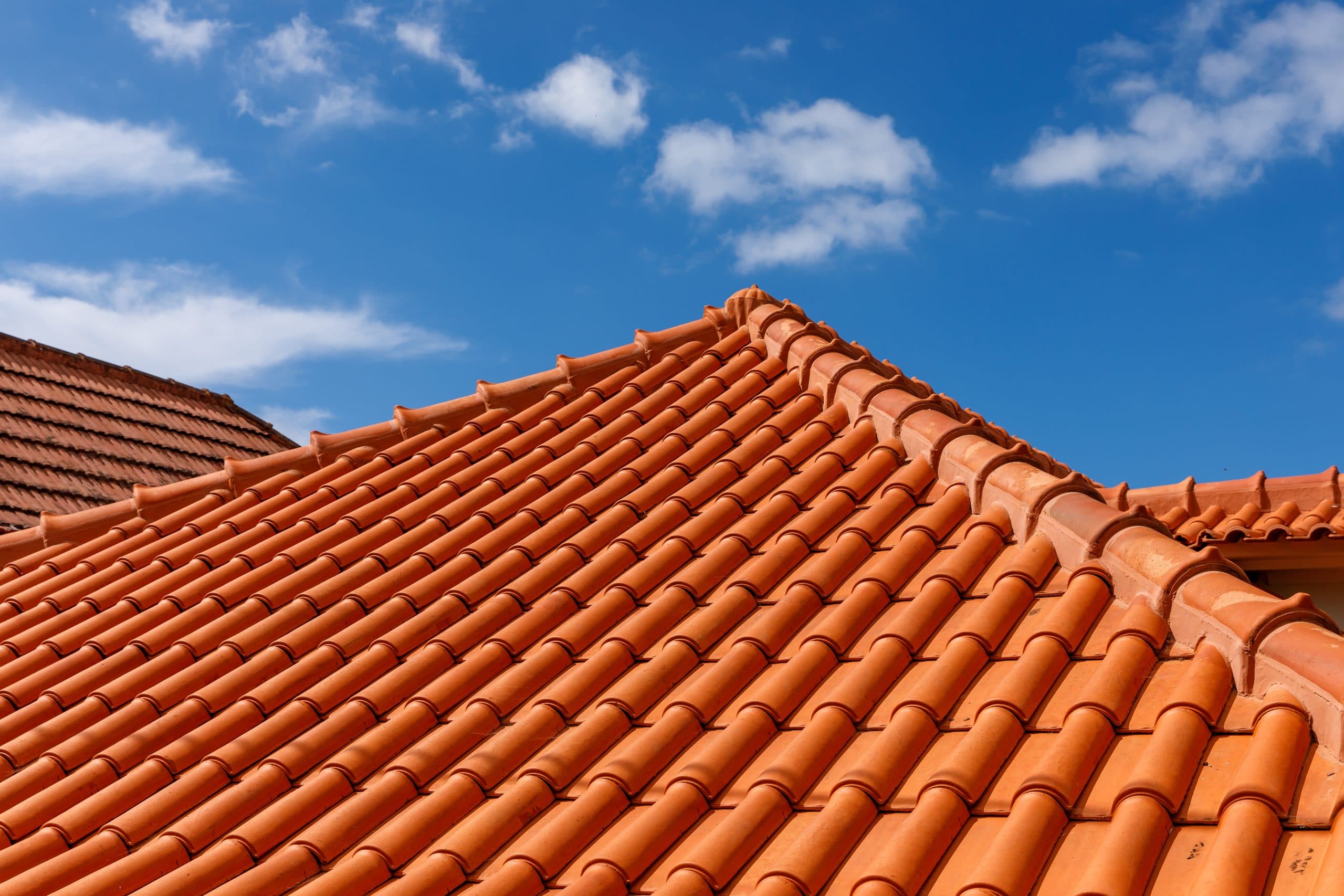
The mechanism is straightforward. Tile sits on battens or a fastening system that creates an air gap above the deck, and the tile itself stores and releases heat slowly through thermal mass. That assembly behavior, not the color, is what changes the math in a Phoenix summer and keeps your home cooler during peak heat.
Why Tile Moves Less Heat Than a Black Shingle Roof
The air gap under tile lets hot air convect out before it loads into the roof deck. The mass of clay and concrete tiles adds a second layer of resistance, slowing how fast heat reaches the underlayment.
The same Florida Solar Energy Center research found that a direct-nailed tile roof, which lacks the most ventilated assembly, still reduced ceiling heat flux by 39% compared with a black-shingle roof. That matters because it counters a common objection: even when tile is installed in its less-ventilated form, it materially changes heat flow into the home. This energy efficient performance holds up even during heavy rain and high winds.
The Cool Roof Rating Council tests roof products for initial and aged solar reflectance and thermal emittance. A roof’s cool-roof status depends on those tested values, which means the conversation is not “tile vs. asphalt” so much as “what does the full assembly actually reflect and re-emit.” Wind resistance and environmental impact also factor into material selection for Arizona roofs.
Arizona’s Cooling Load Makes This Decision Bigger Than National Averages Suggest
According to NOAA NCEI 1991-2020 normals, Phoenix Sky Harbor records 4,765 annual cooling degree days at base 65. That is one of the highest cooling loads in the country, and it runs for most of the calendar year.
When the cooling load is that sustained, a heat-flux reduction stops being a theoretical lab figure and starts showing up in monthly utility bills. The mechanism behind tile’s lower cooling costs is the air gap plus thermal mass, and the climate makes that mechanism work harder than it would in a milder market. That is the lens to carry into the cost comparison and roof replacement decision that follows. An environmentally friendly roofing material choice can reduce both energy costs and your home’s carbon footprint.
Cost, Lifespan, and the Three-Way Material Comparison
| Factor | Standard Asphalt Shingles | Cool Asphalt Shingles | Concrete or Clay Tile |
|---|---|---|---|
| Upfront cost | Lowest of the three | Slightly above standard shingles | Highest of the three |
| Covering service life | Shorter than tile | Similar to standard shingles | Longest of the three |
| Heat performance | Weakest, especially in dark colors | Improved reflectance, simpler system | Strongest, driven by assembly |
| Rooftop access | Easiest to walk for service work | Same as standard shingles | Most fragile; foot traffic risks breakage |
| Structural load | Low | Same as standard | Higher; may require evaluation |
| Repair complexity | Simplest; common materials | Same as standard | Must match profile and color |
The table is a starting point, not a verdict. The right column depends on the home, the owner’s horizon, and what is planned for the roof in the next decade. Comparing tile against shingles only makes sense once those variables are on the table, which is also how our roofing services team frames the cost comparison during an on-site assessment. Long term value depends on how each material performs over its full service life in Arizona’s climate.
Why Cool Shingles Belong in the Comparison
According to the U.S. Department of Energy guidance on cool asphalt shingles, cool asphalt shingles typically have a solar reflectance of 0.30 or less. That is meaningfully better than a standard dark shingle, though it does not match what a full tile assembly delivers on heat flux.
The point of cool shingles is not to imitate tile. It is to keep the simpler shingle system, with its lower upfront cost and easier rooftop access, while improving reflectance enough to reduce energy costs in a hot climate. For homeowners who want the asphalt shingle path but care about long-term investment, cool shingles are the version of that path worth costing out.
Labor costs for shingle installation run lower than tile, and the average lifespan of properly maintained asphalt shingles makes them a durable choice for budget-conscious homeowners. Resale value and home value both benefit from a new roof, regardless of material. Other roofing materials like slate offer their own advantages, but most shingle roofs deliver solid performance without the structural requirements tile demands.
Choosing the Right Roof: A Decision Framework for Arizona Homes
The right comparison isn’t “cheap vs. premium.” It’s whether the house, the budget, and the owner’s horizon fit a tile system or a shingle system better. Four axes carry most of the weight: structure, ownership horizon, future rooftop plans, and maintenance tolerance. Work through these questions before requesting estimates:
- Has the home’s framing been evaluated for tile load, or is the current roof already tile?
- How long do you expect to own this home? (Under 7 years vs. 15+ years shifts the math.)
- Is solar a likely addition in the next 5 to 10 years?
- Is the existing tile underlayment the main failure point, not the tile itself?
- Does the home’s style favor tile aesthetics, or is the goal a neutral exterior?
- Are you comparing replacement quotes after monsoon or storm damage?
- Would a roof inspection narrow the decision before you collect estimates?
If you expect to own the home 15 years or longer, plan no rooftop solar, and the framing can carry tile load, tile typically pays back in heat performance and longevity. If solar is on the horizon within five years, or the home is being staged for sale, a shingle system — especially cool shingles — is often the better call. A roof inspection is the usual next step, which is why homeowners across our service areas in Maricopa and Pinal counties often request a free estimate before committing to one path.
Frequently Asked Questions
What is better, shingles or a tile roof?
Neither is universally better; the right roof depends on structure, heat exposure, ownership horizon, and future rooftop plans.
Tile roofs favor homeowners planning to stay 15+ years, who value heat performance, and whose framing can carry the load. Shingle roofs favor a lower entry cost, easier future rooftop access for solar or service work, and homes where the structure hasn’t been evaluated for tile. Both materials offer distinct styles and curb appeal depending on your home’s architecture.
Are there any disadvantages to tile roofs?
Yes — tile is heavier, more expensive upfront, more specialized to install, and harder to walk on for future rooftop work.
Concrete and clay tiles add structural load that not every home is framed to carry, and installation follows codified standards that demand experienced crews. Tile also makes future work harder, since foot traffic can crack tile and repairs require matching profile and color. Maintenance needs are lower for tile than shingles, but when repairs are needed, they cost more.
How long do shingle roofs last compared to tile roofs?
Tile coverings outlast shingles, but the comparison gets closer once you include underlayment lifespan and Arizona heat exposure.
The honest answer separates the covering from the system. Tile as a covering can last decades, but the underlayment beneath ages on its own schedule — often faster in sustained desert heat. Shingles tend to age as a unit with their underlayment, so the system reaches end-of-life more predictably. Comparing by covering lifespan alone overstates tile’s advantage.
Why are so many roofs tiled in Arizona?
Tile fits Arizona because of heat performance, style fit, and durability against UV exposure on roofs that bake most of the year.
Phoenix averages 111.3 days per year with highs at or above 100°F (NOAA), and that sustained exposure rewards the thermal mass and air-gap behavior of tile assemblies while punishing dark, low-reflectance coverings. Style plays a role too: many Spanish-style homes across Chandler, Gilbert, and Mesa were built for tile from the start.
Is tile really cooler, or is that just something people say?
It’s measurable, not just folklore; tile assemblies move less heat into the ceiling than a black-shingle roof.
The Florida Solar Energy Center has documented the gap in controlled testing, and the mechanism behind it — air gap plus thermal mass — is well understood. Color matters too: a light-colored cool shingle narrows the gap against tile, while a dark standard shingle widens it. The folklore is roughly right, even if the reasons are more specific than most homeowners hear.
Should I choose standard shingles, cool shingles, or tile?
Treat it as a three-way decision; cool shingles upgrade the shingle path without moving you to tile costs or structural requirements.
Per the U.S. Department of Energy, replacing standard shingles with cool shingles on 30% of homes in the two warmest U.S. climate zones would save roughly $0.50 per square foot over 20 years. That savings, combined with simpler installation and easier rooftop access, makes cool shingles a versatile option rather than a compromise.
Can my house support a tile roof?
Usually yes if the home is in a tile-built neighborhood; otherwise, a structural evaluation confirms the framing can carry tile load.
This is an inspection question, not a math problem you solve on paper. Homes originally built with tile almost always carry tile fine on replacement. Homes built for asphalt may or may not, depending on framing, span, and condition. Sundance offers no-pressure on-site assessments, including a free estimate, before recommending a tile or shingle path.
Keep Reading
More Advice for Arizona Homeowners
Ready When You Are
Get Your Free Estimate
Free estimate. No pressure. Owner on every job — and you don’t pay a dollar until you’re satisfied.
Call (602) 690-8879Get a Free, No-Pressure Quote
Tell us about your project.
Roofing or painting — we’ll call you back within 24 hours to schedule your free on-site estimate.