Blog · September 1, 2026
Why August Is the Best Month to Schedule a Roof Inspection in Arizona
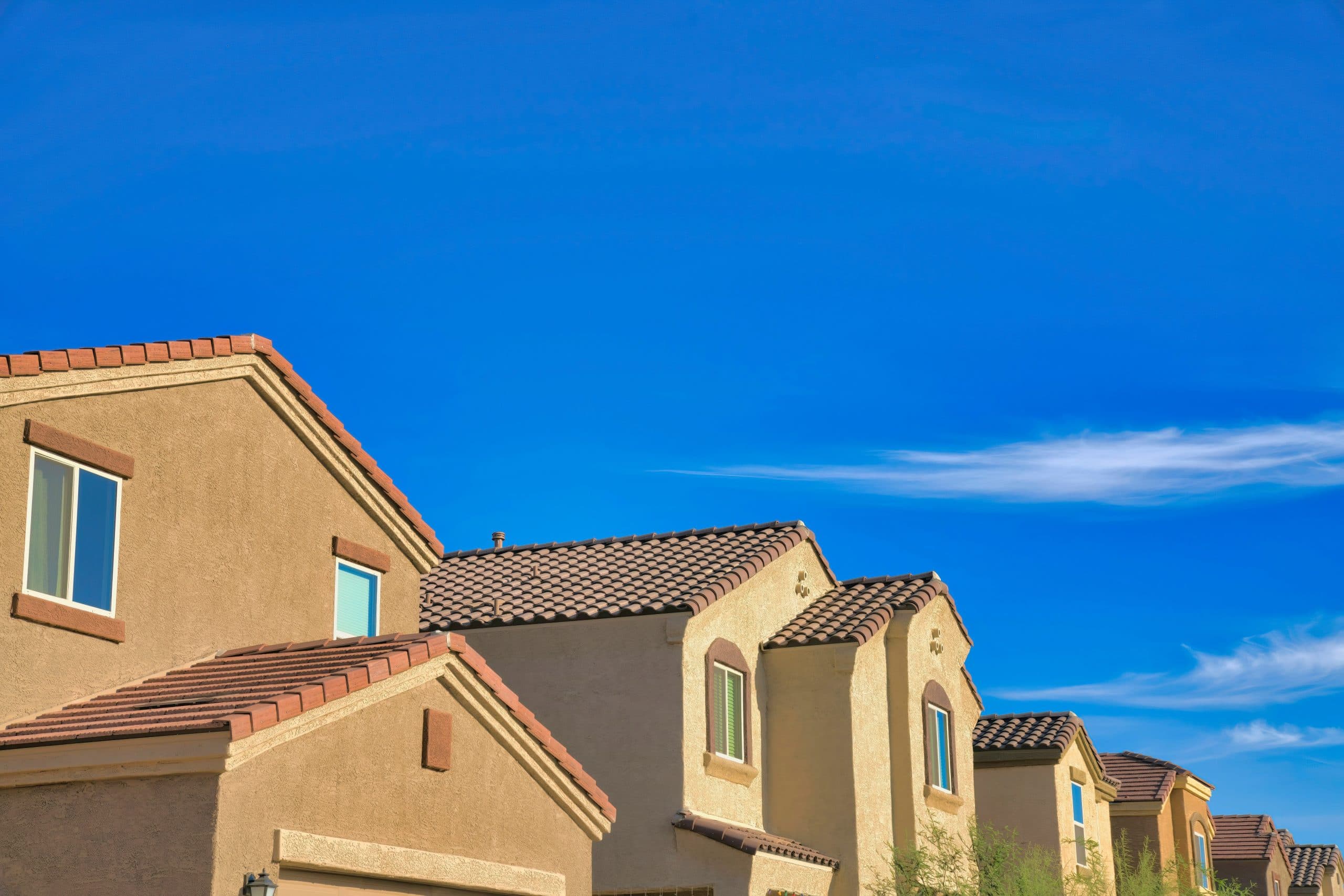
August is the best month to schedule a roof inspection in Arizona because it lands in the middle of monsoon season rather than after it. July storm damage is still fresh and easy to date, there is still time to repair the roof before September storms arrive, and contractor calendars have not yet filled with the fall rush. Our experienced team inspects hundreds of homes across Chandler, Florence, Casa Grande, and the wider Phoenix metro each summer, and this is what makes the timing work in your favor.
What Makes Late Summer Different in Arizona
The National Weather Service defines the Arizona monsoon as June 15 through September 30, and August is historically the wettest stretch of it across the Valley. That places a late-summer roof inspection at an unusual point on the calendar: after the first wave of storms has already tested your roof, but before the second wave arrives. Waiting until October means any damage sat through six more weeks of rain, wind, and sun.
The heat matters as much as the storms. Phoenix spends most of the summer above 105°F, and that extreme heat degrades underlayment, dries out sealant, and opens cracks around penetrations. A roof inspection at this point in the year catches both problems at once — heat fatigue and storm damage — while there is still a repair window before temperatures drop and the fall calendar fills.
- Damage is recent. A July storm is easy to date, which strengthens an insurance claim.
- Coverage is easier to prove. Policies cover sudden storm damage, and prompt reporting is what keeps that coverage intact.
- The season is not over. Repairs made in August protect the roof through September storms.
- Crews are available. October and November are peak months for roofing work across the Phoenix metro.
- Permits move faster. Municipal permits for larger jobs take longer once the fall backlog builds.
What a Roof Inspection Actually Covers
A real inspection is not a driveway estimate. Our inspectors get up on the roof, walk the full property, and document the roof’s condition in writing with photos. Here is what a thorough roof inspection in Arizona looks like, in the order we work.
The Roof Surface and Roofing Materials
Every roof is inspected according to what it is made of, because roofing materials fail differently in the desert. Concrete tile cracks under impact and thermal cycling. Asphalt shingles curl, lose granules, and go brittle under constant sun; on older roofs the shingles crack outright. Flat and low-slope roofs blister and pond. Wood shakes — rare now, but still around older Arizona property — split and dry out. A standing seam metal roof usually loosens at the fasteners long before the panels fail.
Inspectors check the roof surface for missing shingles, missing tiles, cracks, and any spot where the underlayment is exposed. On a tile roof, the felt beneath is the actual waterproofing layer, so a few broken tiles matter more than most homeowners expect.
Flashing, Chimneys, and Drainage Detail
Most leaks in the Valley start at penetrations, not in open field. We inspect the flashing at every wall junction, plus chimneys, vents, skylights, and HVAC curbs on flat sections. We check that drainage actually works — scuppers, valleys, and gutters clear of the debris that dust storms and wind leave behind. A blocked valley is one of the cheapest problems to fix and one of the most expensive to ignore.
The Attic and Interior
From inside, inspectors look for daylight through the deck, damp or compressed insulation, staining on the ceiling near an exterior wall, and any smell that suggests moisture is sitting somewhere it should not. Interior evidence often tells you a roof has been leaking for months, well before anything is visible from the ground.
Free Inspection vs. a Paid Roof Inspection: What’s the Difference?
Reputable Arizona roofing companies, including ours, offer a free roof inspection for residential property. A free inspection is a real assessment — we are not doing less work, we are betting that honest reporting earns your business when you do need roof repairs. There is no obligation attached and no pressure to schedule anything the same day.
Paid inspections show up in two situations: a certified report for a real estate transaction when you are selling, and commercial buildings where the scope, roof size, and documentation requirements are far larger. For a commercial roof, the inspection typically includes core samples, an infrared moisture scan, and a capital-planning report — that is a different job than a residential walkthrough, and it is priced accordingly.
Before any inspector sets foot on your property, verify the license. The Arizona Registrar of Contractors publishes a free license search. Any company that hesitates when asked for its license number has told you what you need to know.
Regular Inspections Beat Emergency Roof Repairs
The homeowners who spend the least on their roof are the ones who book regular inspections and treat proper maintenance as routine, the same way they service an HVAC unit. Roofs in the Phoenix metro do not fail all at once — they fail in small, cheap increments that go unnoticed until one storm connects them. An annual roof inspection is how you catch those increments while they are still cheap.
That is also a safety argument. A licensed professional works to Arizona safety standards with proper fall protection, ladder staging, and the experience to walk a tile roof without breaking it. A homeowner on a hot roof in August has none of that. Our inspectors carry the license, the insurance, and the training precisely so you never have to make that climb.
- Annual inspections catch worn pipe boots and sealant before they become leaks.
- A documented history of proper maintenance helps when you file an insurance claim later.
- Clearing debris and checking drainage each year costs a fraction of one emergency repair.
- Regular inspections extend the service life of the roof by years, delaying a full replacement.
High-Country Property: Snow Is Its Own Problem
Not every Arizona roof faces the same season. We also serve Flagstaff, Munds Park, and Payson, where roofs deal with snow load, ice at the eaves, and freeze-thaw cycles that Phoenix roofs never see. Up there, late summer is the last comfortable stretch to replace worn shingles before snow arrives, and an inspection that gets pushed to November often gets pushed to April.
Down in the Valley the enemy is heat and monsoon rain; in the high country it is snow and moisture cycling. Either way the fix is the same: inspect before the hard season, not after it.
How a Late-Summer Roof Inspection Prevents Costly Repairs
The economics here are not subtle. A handful of cracked tiles replaced in August is a minor line item. The same damage found the following spring, after water has spent a season in the deck and insulation, is a structural repair — and sometimes a full roof replacement. Expensive repairs almost always start as cheap ones that waited. Deferred maintenance is what turns cheap problems into costly repairs, and the shingles or tiles are rarely the expensive part — the deck underneath is.
| Found Now | Same Issue Found Next Spring | Why the Cost Changes |
|---|---|---|
| Six cracked or slipped tiles | Rotted decking under 200 sq ft | Exposed underlayment fails within months of desert sun |
| Lifted metal at a chimney | Framing repair plus drywall and paint | Water tracks along framing far from the entry point |
| Blocked valley and gutters | Fascia replacement and soffit damage | Standing water finds the weakest edge detail |
| Small membrane blister on a flat roof | Section tear-off and re-installed membrane | Heat expands the blister every summer day |
| Worn pipe boots | Ceiling replacement and mold remediation | Slow leaks stay hidden until drywall fails |
Protecting the roof early is simply cheaper than repairing it late. None of this requires a scare tactic to make the point. It is simply that Arizona sun and monsoon rain do not pause while you decide, and the cost of a repair scales with how long water has had access.
Roof Inspection, Roof Repairs, or Roof Replacement?
An inspection ends with one of three honest recommendations, and a good roofer will tell you which without upselling.
- No work needed. Genuinely common. We inspect plenty of roofs that are simply fine, and we say so.
- Targeted roof repairs. Replace damaged tiles, reseal flashing, fix a section of underlayment, clear drainage. Most mid-season findings land here.
- Roof replacement. Warranted when underlayment has failed across the roof, decking is compromised, or the roof is simply at the end of its service life.
Full roof replacements are the exception, not the rule. If a contractor’s first visit produces a replacement quote without a written explanation of why repairs will not work, get a second opinion. Our roof repair services and roof replacement pages explain how we scope each.
The Short List of Factors That Drive Roof Repair Cost
When an inspection does turn up work, cost comes down to a short list of factors: roof size and pitch, which roofing materials are installed, how much of the waterproofing layer needs replacing, access and staging on the property, permits required by your city, and whether the job is residential or commercial. A tile roof costs more per square than a shingle roof to repair properly, because tile has to be removed and re-installed to reach the waterproofing beneath.
Ask for the detail in writing. A quality estimate lists materials, quantities, permits, and the warranty. An estimate that is a single number on a business card is not an estimate.
Two roofs of identical size can differ substantially in cost. A steep tile roof with three chimneys, four vents, and a second-story access problem takes far longer than a single-story shingle roof with clean lines. Ask any contractor to walk you through why their number is what it is — a roofer who can explain the cost line by line is usually the one who will also stand behind the quality of the work.
Insurance Claims and Storm Timing
If your roof took wind or hail damage during a July or August storm, timing affects whether an insurance claim succeeds. Insurers separate sudden storm damage from long-term wear, and the closer your documentation sits to the storm date, the cleaner that distinction is. A written inspection report with dated photos gives the insurance adjuster exactly what they need.
Report promptly, keep every document, and let the adjuster inspect before committing to permanent work. Our guide on whether homeowners insurance covers monsoon roof damage covers what policies typically cover and what they exclude. This is general information, not insurance advice — confirm the specifics with your agent.
Common Questions About Scheduling a Roof Inspection
How often should an Arizona roof be inspected?
Once a year for most homes, plus after any significant storm. Arizona sun, wind, and monsoon rain age a roof faster than the same materials would age in a milder climate, so annual inspections catch problems while they are still small.
How long does a roof inspection take?
Typically 45 to 90 minutes for a residential roof, depending on roof size, pitch, and how many penetrations there are. Commercial buildings take considerably longer. You receive a written report with photos either the same day or the next.
Do I need to be home for the inspection?
Not for the exterior portion, though we prefer you are there for the attic check and the walkthrough of findings. Either way, our team calls before arriving and reviews everything with you afterward.
Is a roof inspection worth it if I saw no storm damage?
Yes. Most damage our inspectors find in late summer was invisible from the ground — hairline cracks in tile, lifted flashing, degraded pipe boots, and worn underlayment that is only visible up close. An inspection that finds nothing still gives you a documented baseline for any future claim.
Can I inspect the roof myself?
Do the ground-level and attic checks yourself, but do not climb up. An Arizona tile roof cracks under foot traffic, and a hot roof surface plus a ladder is how homeowners get hurt. Leave the roof surface to a licensed inspector.
What if I’m selling the house?
Get the inspection before listing. Buyers order their own, and finding out about roof repairs during escrow costs you negotiating leverage. A clean report from a licensed Arizona roofing company is an asset when selling.
Schedule Your Free Roof Inspection Across the Phoenix Metro
Late summer is the window. Sundance Roofing & Painting has served Chandler, Gilbert, Mesa, Queen Creek, Florence, and the East Valley for more than 20 years under Arizona License #329097 — owners on every job, no upfront payment, no upselling, and an A+ BBB rating. If you are in Pinal County, our Florence roofing contractor page has our local service detail.
We cover Chandler AZ and the surrounding cities for residential and commercial roofing work, and there is never an obligation to book repairs after an inspection. Request your free inspection and our team will tell you exactly what your roof needs — including when the answer is nothing at all.
Keep Reading
More Advice for Arizona Homeowners
Ready When You Are
Get Your Free Estimate
Free estimate. No pressure. Owner on every job — and you don’t pay a dollar until you’re satisfied.
Call (602) 690-8879Get a Free, No-Pressure Quote
Tell us about your project.
Roofing or painting — we’ll call you back within 24 hours to schedule your free on-site estimate.