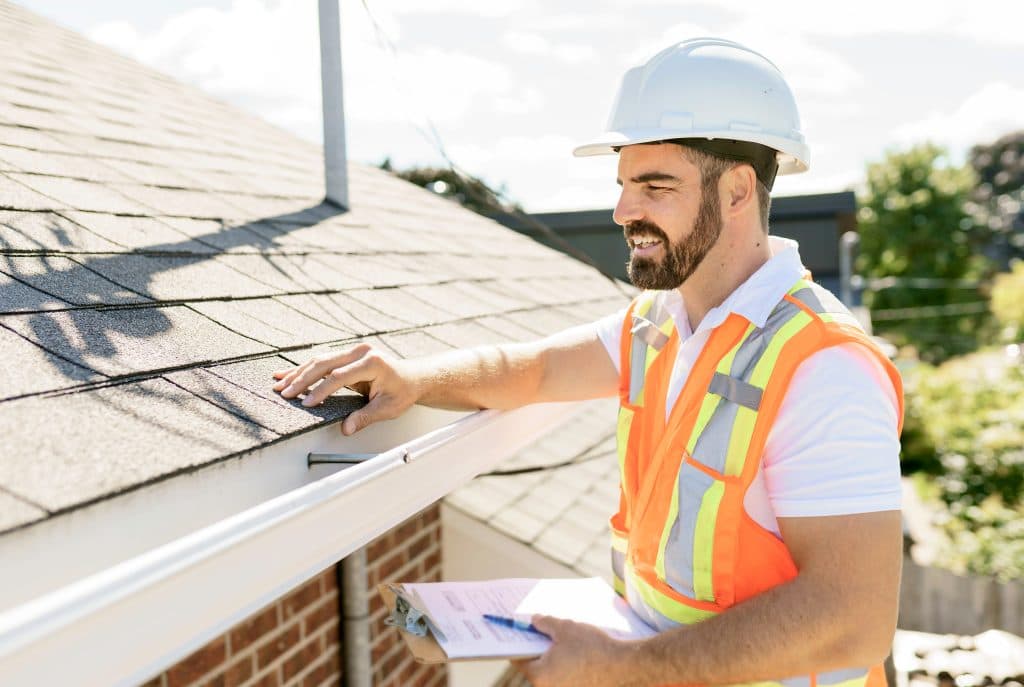
A tile roof that still looks fine from the street can be one monsoon away from a ceiling stain. The visible tile isn’t the part that fails first in Arizona, and the calendar year on the original permit isn’t the number that decides when to replace your roof. This guide gives you material-specific Arizona ranges, the underlayment factor most quotes skip, the signs that matter more than age, and a framework for choosing between inspection, repair, underlayment replacement, and a full reroof.
Key Takeaways
- Arizona replacement timing depends on roofing materials, underlayment condition, and climate exposure — not a single national roof-lifespan rule.
- Phoenix averages 111.3 days per year at or above 100°F (NOAA), which compresses material lifespans below national averages.
- For tile roofs, the underlayment usually fails before the tile itself; Arizona housing standards treat cracked, torn, or sloughing underlayment as cause for replacement.
- The official Arizona monsoon season runs June 15 through September 30 (NWS), which is why most planned replacements should be scheduled before mid-June.
Why Arizona Roof Replacement Timing Isn’t a Single Number
Swap a “20-year rule” for a “25-year rule” and you still haven’t answered the question for an Arizona home. National lifespan averages are built on national weather, and Arizona’s intense sun changes the math on every roofing material below.
According to NOAA’s 1991–2020 climate normals for Phoenix Sky Harbor, the Phoenix metro averages 111.3 days per year with highs at or above 100°F. That figure explains why three drivers matter more than a calendar number when Arizona homeowners ask how often a roof should be replaced.
- Material type: asphalt shingles, tile, foam, and metal each respond differently to UV exposure and heat absorption.
- Underlayment and waterproof-layer condition: the layer beneath the visible surface often ages on a faster clock than the surface itself.
- Arizona’s climate calendar: annual heat exposure plus the monsoon window shape both lifespan and scheduling.
What Phoenix’s Heat Calendar Looks Like by Month
The 111.3 annual days aren’t spread evenly. NOAA’s monthly normals for Phoenix Sky Harbor record 24.6 days at or above 100°F in June, 28.5 in July, 27.1 in August, and 18.2 in September. Roughly 98 of the 111 days fall in a four-month block of extreme heat — which is why summer is a poor planning window for roof work and a heavy stress window for any roof already past its midpoint. That’s why timing decisions start with what’s on the roof. Each roofing material handles Arizona’s exposure differently.
How Long Each Roof Type Actually Lasts in Arizona
Asphalt shingles are the budget choice with the shortest desert lifespan. Tile and metal roofs last longest but for very different reasons. Foam roofing and flat systems sit in between with their own failure pattern, usually tied to coating breakdown rather than material fatigue.
| Roof Type | Typical Arizona Lifespan Range | Most Common Replacement Trigger | Inspection Cadence |
|---|---|---|---|
| Asphalt shingle | 15–25 years | Granule loss, curling, brittleness from UV | Annual after year 10 |
| Concrete or clay tile | 30–50+ years (tile body); underlayment 20–25 years | Underlayment failure, not the tile itself | Annual after year 15 |
| Foam (SPF) | 10–20 years with recoats | Coating breakdown, ponding damage, UV erosion | Every 5 years for recoat check |
| Metal | 40–60+ years | Fastener corrosion, seam failure, coating fade | Every 3–5 years |
Asphalt shingle roofs hit the bottom of their range first in the low desert because UV exposure dries binders and lifts granules faster than in milder climates. Concrete and clay tile bodies regularly cross half a century, but the felt or synthetic waterproof layer beneath rarely matches them. Foam roofing depends on a protective coating that erodes under intense UV radiation, which is why a recoat schedule matters more than a replacement year. Metal roofs offer the longest service life and excellent insulation when paired with the right substrate, with fastener and seam integrity driving the replacement decision more than the panels themselves.
Most roofs in Arizona face similar climate stress, but material choice determines how long each roof lasts. Owners with tile roofs often think they have decades left, when the waterproof layer underneath may already be due for a tile roof replacement or lift-and-relay. That waterproof layer is where most Arizona tile decisions actually get made.
The Tile Roof Trap: Underlayment Decides the Timing
According to the Arizona Department of Housing State Rehabilitation Standards, sloughing, tearing, or cracking of roofing underlayment is cause for roof replacement or repair.
That standard reframes the way clay tile and concrete tile roofs should be evaluated.
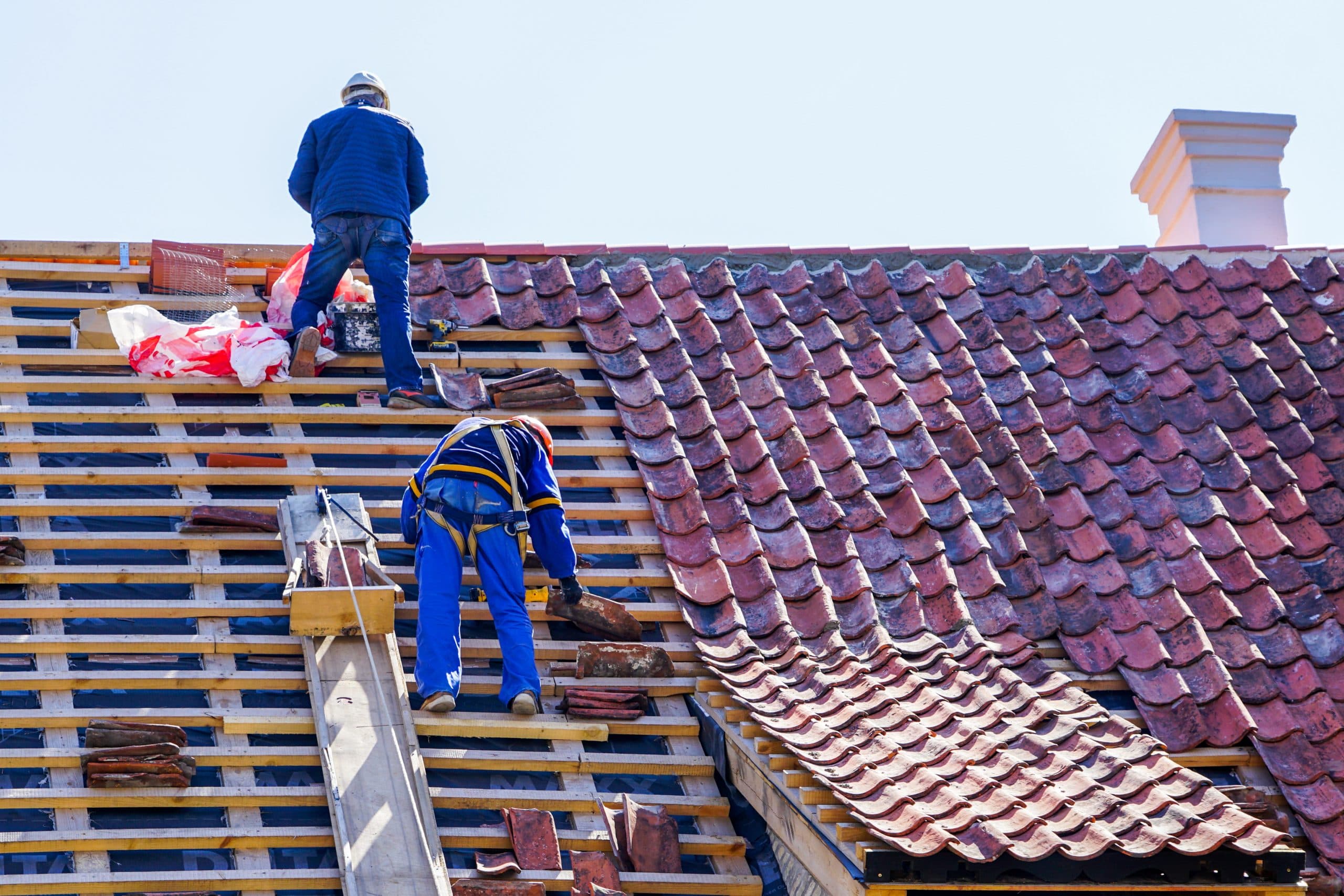
A tile roof is a two-layer system. The visible tile sheds water and blocks sun. The underlayment beneath the tile is the actual waterproof barrier. Concrete and clay tiles can last 50+ years; the underlayment beneath usually doesn’t — which is why a tile roof repair addressing surface cracks won’t solve a problem rooted in the layer below.
What underlayment failure looks like before visible leaks reach the ceiling:
- Slipped or shifting tiles, where the underlayment is no longer holding fasteners or providing a flat plane
- Visible tears, cracks, or sloughing at penetrations and valleys
- Granular debris in gutters from felt underlayment breakdown, similar in look to asphalt granule loss
- Water stains in the attic before any ceiling stain shows up — often a sign the layer is starting to trap moisture rather than shed it
- Repeated repairs in the same area within 12–18 months, which usually signals the underlayment, not the tile, is the source
Broken tiles can be replaced one at a time without touching the underlayment. But once the underlayment shows visible wear at multiple points, isolated repairs stop protecting structural integrity. Once you know what to look for, the next question is what to actually do about it.
Repair, Underlayment Replacement, or Full Reroof: How to Decide
Most Arizona homeowners get pushed toward “repair or replace” as a binary. In practice, there are three paths: localized repair, underlayment replacement on a tile roof (lift-and-relay), or a full reroof. The right one depends on how widespread the damage is, what the underlayment is doing, and how much remaining life the rest of the system has.
Signs That Change the Answer
Rank what you’re seeing by urgency before you ask which path applies.
- Acute (decide now): active interior leaks, sagging roof deck, daylight visible from the attic, or significant damage after major storms.
- Near-term (decide this season): water stains without an active drip, repeated costly repairs in the same area, widespread granule loss or missing shingles, slipping tiles, sun damage across multiple slopes.
- Watchful (decide on inspection cadence): age past the material’s midpoint, faded or chalky surface, minor isolated damage, increased energy bills that don’t match weather patterns.
The Three-Path Decision
| Path | When It’s the Right Call | When It’s the Wrong Call | Roof Types This Applies To |
|---|---|---|---|
| Localized repair | Damage is isolated; underlayment is sound; roof has 5+ years of remaining life | Repeated repairs in the same area; underlayment is failing; damage spans multiple slopes | Asphalt, tile, foam, metal |
| Underlayment replacement (tile lift-and-relay) | Tile body is intact; underlayment shows cracking, tearing, or sloughing; roof is 18–25 years old | Tile body is widely broken; structure is compromised; you’re inside 2 years of selling | Concrete tile or clay tile only |
| Full reroof | Material is at or past lifespan; widespread leaks or structural concerns; underlayment and tile both due | Damage is localized and the rest of the system is documented as sound | All material types |
None of these decisions is reliable without regular inspections that distinguish the tile body from the underlayment. A roof with documented inspection findings gives you the evidence to choose a targeted roof repair instead of defaulting to a full roof replacement when only one slope or one layer is actually due. Roofing contractors who pull the tile, photograph the underlayment, and document the roof’s condition tend to recommend the path that matches what the evidence shows — not the path with the largest invoice.
Knowing the path is half the answer. The other half is when to actually do the work.
When to Schedule Replacement in Arizona’s Climate Calendar
According to the National Weather Service, Arizona’s monsoon season runs from June 15 through September 30. That window matters because contractor availability tightens and emergency callouts spike once monsoon storms and heavy rains start moving through. Planned replacements should be scheduled before June 15 or after September 30.
Inspections for aging roofs should happen by April or May so that any required underlayment work or full reroof can complete before the monsoon window opens. Recent seasons have run below normal for rainfall, but that’s exactly when small underlayment failures hide longest — because there isn’t enough sustained water to push a stain through the ceiling.
Low desert vs. northern Arizona timing:
- Phoenix metro — Chandler, Mesa, Gilbert, Tempe, Queen Creek, San Tan Valley, and Casa Grande: schedule planned reroofs October through May, when peak UV exposure and extreme heat ease enough to widen the workable window.
- Northern Arizona — Flagstaff, Payson, Munds Park: the cooler season is longer, but mountain weather narrows the upper-elevation window to late spring through early fall, so book early. See our service areas for what we cover.
- Pre-monsoon inspection cutoff: book inspections by mid-April to leave room for repair or reroof scheduling before mid-June.
If you’re inside that pre-monsoon window now, request a free roof inspection before contractor availability tightens.
Frequently Asked Questions
How often should a roof be replaced in Arizona?
There’s no single number; replace your roof when material lifespan, underlayment condition, and active failures line up against your inspection findings. Asphalt shingle roofs typically last 15–25 years in Arizona, tile bodies 30–50+ with underlayment closer to 20–25, foam 10–20 with recoats, and metal 40–60+. Phoenix’s 111.3 annual days at or above 100°F compress the lower end of each range. The replacement year is whichever comes first: material lifespan, underlayment failure, or documented active damage. How long a roof lasts in Arizona depends on the roofing material, consistent maintenance, and exposure to Arizona’s intense sun and heat.
Why is underlayment important for roof longevity?
The underlayment is the actual waterproof layer; tiles only shed water and block sun. Arizona tile roofs are a two-layer system, and the underlayment beneath the tile is what keeps water out of the structure. Felt underlayment was standard for decades, but synthetic underlayments have become more common in Arizona because they handle UV rays and heat better when briefly exposed during repairs or storms. Installation by qualified contractors is critical to reaching the expected roof lifespan.
How often should I have my roof inspected?
At least once a year after year 10, and always before monsoon season. Inspection cadence varies by material: annual for asphalt past year 10, annual for tile past year 15, every five years for foam recoat checks, and every three to five years for metal. Schedule an inspection after any named major storm regardless of roof age, and aim for an April or May visit so repairs can be completed before mid-June.
If my roof isn’t leaking yet, should I replace it before monsoon season anyway?
Replace your roof before mid-June if it’s past its material midpoint or showing underlayment signs; monitor if it’s clearly within remaining life. The official monsoon window opens June 15 and closes September 30, so any underlayment work or full reroof is far easier to schedule before it starts. According to HUD guidance for FHA appraisals, a roof should have at least two years of remaining physical life. Learn more about roof replacement.
How do I know if my tile roof needs underlayment replacement instead of just tile repairs?
When damage is widespread, repairs repeat in the same area, or underlayment shows cracking, sloughing, or tearing, single-tile repair logic stops working. A tile lift-and-relay reuses the existing tile and replaces only the waterproof layer beneath. It’s the right call when the tile body is intact but the underlayment is failing, typically between years 18 and 25. See our tile roof repair page.
Does filing a complaint with the Arizona ROC actually help if a roofer does bad work?
Yes — the Arizona Registrar of Contractors investigates complaints against licensed and unlicensed entities, with a two-year filing window. The agency licenses and regulates more than 60,000 residential and commercial contractors, and homeowners can file a complaint within two years from occupancy or the date the last work was performed. Complaints can be dismissed if the work meets minimum industry standards after inspection, which is why vetting license status, insurance, and references upfront is still the better path. Your insurance company may also require documentation of proper licensing before approving insurance claims related to roof damage.
Why do different roofers give completely different recommendations on the same Arizona roof?
Because they’re guessing at underlayment condition, scoring damage differently, or quoting different scopes — not because one is wrong. Two roofing contractors can look at the same tile roof and reach different conclusions if neither lifts tile to inspect the underlayment directly. One may quote a partial repair based on what’s visible; another may quote a full reroof based on age. Sundance Roofing & Painting puts owners on every job, which narrows that diagnostic gap by tying the recommendation to the same person who’ll stand behind the work.
Keep Reading
More Advice for Arizona Homeowners
Ready When You Are
Get Your Free Estimate
Free estimate. No pressure. Owner on every job — and you don’t pay a dollar until you’re satisfied.
Call (602) 690-8879Get a Free, No-Pressure Quote
Tell us about your project.
Roofing or painting — we’ll call you back within 24 hours to schedule your free on-site estimate.