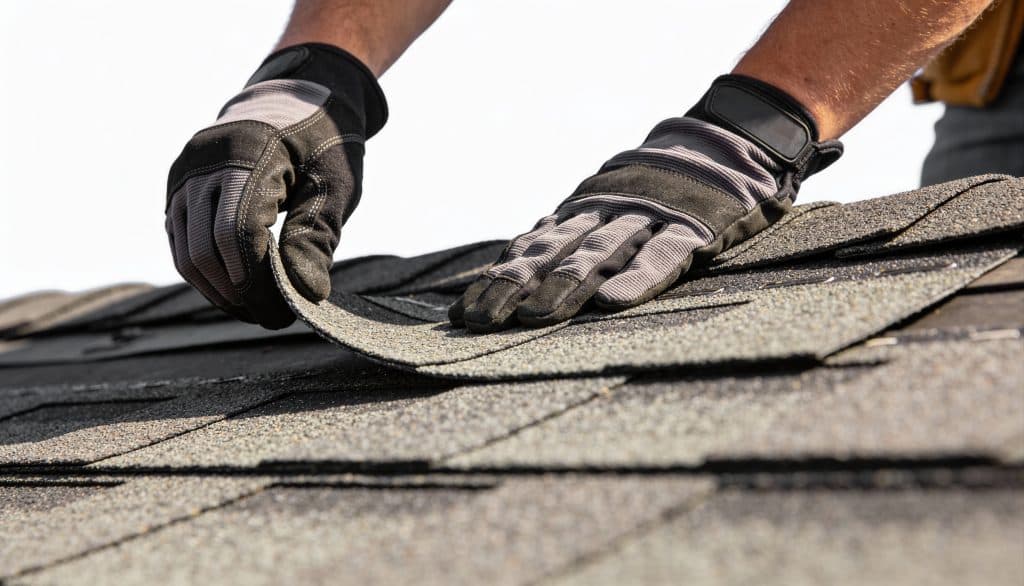
A water stain on your ceiling doesn’t necessarily mean you need a new roof. Most roof leaks start with a specific failure point (loose flashing, a ventilation gap, a clogged gutter) that’s fixable once identified.
This post breaks down the hidden causes behind common roofing problems homeowners face, which symptoms signal urgent action, and how to determine your right next step. Sundance Roofing & Painting has spent 20+ years diagnosing these roofing issues across Arizona homes.
Key Takeaways:
- Roof leaks are symptoms, not root causes; flashing failures, drainage problems, and ventilation gaps are the usual culprits
- Older roofs sustain far more storm damage than newer ones, even in the same weather event
- Arizona monsoon wind gusts reach the exact threshold where aging shingles begin to fail
- A professional roof inspection catches granule loss, deteriorated flashing, and soft decking before interior damage appears
Why a Roof Leak Is a Symptom, Not the Problem
A roof leak tells you something failed. It does not tell you what.
The National Roofing Contractors Association points out that leaks can result from cracked flashing or a single damaged section rather than total roof-system failure. That distinction matters because the fix for a flashing problem is completely different from the fix for a failing roof system. Jumping to replacement without identifying the actual cause wastes money and misses the real issue.
Here are the causes that actually produce most roofing problems:
- Cracked or loose flashing around chimneys, vents, and skylights, allowing water infiltration at roof penetrations
- Clogged gutters forcing water to back up under shingles and along roof edges, disrupting proper water flow
- Poor attic ventilation that traps moisture against the roof deck from below
- Aging roofing materials losing their watertight seal as UV exposure breaks down the surface layer
- Improper installation at valleys and penetrations where two surfaces meet
FEMA confirms that high winds damage flashing and increase the risk of water intrusion, mold, and dry rot. Once flashing pulls away from a joint, every rainstorm sends water into the gap, and the moisture damage compounds over time. Water damage from poor installation or these failures can spread through the attic and into walls before you notice interior stains.
Each of these causes produces different visible symptoms. The table below maps what you see to what’s actually happening underneath.
What Common Roof Symptoms Actually Point To
| Symptom | Likely Cause | Urgency | Recommended Action |
|---|---|---|---|
| Water stains on ceiling | Flashing failure or underlayment breach | High; active water path | Schedule a professional inspection |
| Missing or cracked shingles/tiles | Wind damage, UV degradation, or aging material | Medium to High (depends on extent) | Inspect from ground; call a roofing contractor if widespread |
| Granule buildup in gutters | Aging asphalt shingles losing protective granules | Medium; accelerating deterioration | Schedule inspection before next storm season |
| Sagging roof deck | Prolonged moisture damage to underlying wood | High; structural damage and serious safety concern | Call a roofing contractor immediately |
| Mold or dark spots in attic | Poor ventilation trapping moisture | High; hidden damage spreading | Professional attic and roof inspection |
| Damaged or pulling gutters | Clogged drainage or fascia board rot | Medium | Clear gutters; inspect fascia and roof edge |
Notice the pattern. Most of these different symptoms trace back to the same small set of causes: flashing, moisture, drainage, and aging materials.
A single flashing failure can produce water stains, mold growth, and wood rot simultaneously. Damaged shingles often signal broader roofing issues with ventilation or material degradation.
That’s why treating each symptom as a separate problem (the approach most online guides take) misses the point. If you notice water stains, damaged shingles, or a sagging roof line, the symptom tells you where to look. The cause tells you what to fix.
Sundance Roofing & Painting’s roofing services start with identifying that cause before recommending any work.
How Poor Ventilation Quietly Damages Your Roof
Most homeowners think of ventilation as an energy bill issue. It’s also a structural one.
The U.S. Department of Energy’s Durable Attics guide identifies four primary sources of attic moisture: roof leaks, improperly installed flashing, water vapor that enters without proper ventilation, and ice dams.
While ice dams aren’t a factor in Arizona, the other three moisture sources identified in the U.S. Department of Energy’s Durable Attics guide are constant threats in our climate. The damage follows a predictable path.
Your roof’s ventilation system relies on soffit vents (intake openings at the eaves) and ridge vents (exhaust openings at the peak) working together to maintain proper airflow through the attic. When that system fails, hot, humid air gets trapped. The trapped moisture weakens the roof deck from below while sun and weather attack from above.
This creates conditions that trap moisture against the wood sheathing, accelerating rot and compromising the roof’s integrity. Homeowners rarely see this damage until it becomes a structural weakness, because the deterioration happens in the attic space between the living area and the roof surface.
Signs of inadequate ventilation include:
- Higher energy bills without a clear explanation
- An attic that feels noticeably hot and humid
- Mold or dark spots on the attic-side roof sheathing
Proper ventilation works alongside attic insulation services to protect the roof structure from the inside out. When materials are already weakened by trapped moisture, storm winds can turn a manageable problem into an expensive one.
Arizona Monsoon Winds and Aging Roof Materials
After a monsoon storm passes, check your property from ground level for these warning signs:
- Shingles or tiles displaced, cracked, or sitting at odd angles
- Granules collected in gutters, downspouts, or on the ground below the drip line
- Flashing pulled away from edges around chimneys or vents
- Damaged gutters sagging or pulling from the fascia
- Visible gaps at roof penetrations (pipes, vents, skylights)
If your roof is older, those warning signs carry more weight than you might expect.
Newer homes built after 2002 averaged just 0.3% roof damage compared to 4.9% for older homes in the same storm-exposed sample, according to an Insurance Institute for Business & Home Safety field study.
That gap, documented in an Insurance Institute for Business & Home Safety field study, matters in Arizona because of how closely monsoon conditions match the failure point for aging materials. IBHS research shows that aging asphalt shingles can dislodge in high winds as low as 60 mph.
National Weather Service monsoon safety data confirms that wind gusts between 40 and 60 mph are likely during monsoon storms. The overlap is the problem.
Monsoon gusts routinely reach the threshold where aged shingle damage begins. A roof that handles a 45 mph gust at age five may not survive the same gust at age fifteen. Weather exposure accelerates material breakdown, shortening the roof’s life in Arizona’s intense climate.
If you’ve spotted post-storm warning signs and your roof is approaching or past the 15-year mark, asphalt shingle roof repair or tile roof repair may be needed before the next storm season. Knowing the problem type helps determine whether to repair, inspect, or replace.
Repair, Inspect, or Replace: Choosing the Right Next Step
| Option | When It Applies | Typical Triggers | What to Expect |
|---|---|---|---|
| Repair | Leak tied to loose flashing or localized section | Isolated issue; roof otherwise sound | Targeted fix at the failure point |
| Inspect | Roof is 10+ years old, after any 40+ mph storm, or ground-check shows warning signs | Uncertainty about scope or cause | Professional assessment before deciding |
| Replace | Widespread or recurring issues across multiple areas | Irreversible system failure; roof past its effective lifespan | Full roof replacement of the entire system |
Biannual roof inspections often uncover cracked, warped, or missing shingles, deteriorated flashings, and granule loss before serious interior damage appears, per National Roofing Contractors Association guidelines.
Inspection is almost always the right first step. It prevents both unnecessary roof replacement and dangerous delay. Regular maintenance through scheduled roof inspections catches problems early, when a targeted repair can extend the roof’s life by years and prevent leaks before they start. If you’re unsure where your roof stands, schedule a free estimate to get a clear answer.
Sundance Roofing & Painting evaluates whether repairs will prevent further damage or whether replacement is the more cost-effective path. We assess the full system and explain the structural integrity of your roof before recommending any work.
Frequently Asked Questions
What is the biggest roofing problem homeowners face?
Hidden moisture damage is the biggest roofing problem because it weakens the roof structure long before any leak becomes visible inside your home.
Moisture from poor ventilation, failed flashing, or minor leaks accumulates in the attic space and deteriorates the roof deck over months or years. The U.S. Department of Energy identifies water vapor entering without proper ventilation as a primary source of attic moisture. Sundance Roofing & Painting recommends a professional inspection to catch this damage before it reaches your ceilings or walls.
How do I find the source of a roof leak if I can’t see it from inside?
Most hidden leaks originate at flashing, roof penetrations, or ventilation gaps that are only visible from the roof surface itself.
Water rarely drips straight down. It travels along rafters and decking, sometimes several feet, before dropping into the living space. That means the ceiling stain is often nowhere near the actual entry point. A roofing contractor walking the roof can trace the water path and identify the failure point that a ground-level or attic check would miss.
When does a roof need to be replaced instead of repaired?
A roof typically needs roof replacement when damage is widespread across multiple areas or when the roofing material has exceeded its effective lifespan.
Localized roofing issues like loose flashing or a damaged section usually don’t require a full roof replacement. The NRCA confirms that many leaks trace to a single repairable failure point. However, IBHS data shows that a roof’s lifespan can shorten significantly in high-wind regions, so age alone isn’t a reliable guide. Sundance Roofing & Painting assesses the full system before recommending repair or replacement.
Is damaged or missing flashing a serious problem?
Yes, damaged flashing is one of the most common entry points for water intrusion and can lead to hidden wood rot and mold growth.
Flashing covers the joints where your roof meets chimneys, vents, walls, and where two roof planes meet. FEMA confirms that wind-damaged flashing increases the risk of water intrusion, mold, corrosion, and dry rot. Resealing flashing or replacing damaged sections is a straightforward repair when caught early, but left alone, the moisture damage spreads behind walls and into the roof deck.
How often should you have your roof inspected?
The National Roofing Contractors Association recommends having your roof inspected at least twice a year, typically in spring and fall.
In Arizona, that timing aligns with before and after monsoon season, which is when your roof takes the most punishment from severe weather and UV rays. Spring inspections catch winter wear before the heat intensifies it. Fall inspections reveal monsoon damage while it’s still repairable. Regular inspections help ensure your roof remains watertight and structurally sound. Schedule a roof inspection to stay ahead of costly repairs.
What roof problems should I look for when buying a home?
When buying a home, check for sagging roof lines, damaged or missing flashing, granule loss in gutters, and signs of attic moisture or mold.
A standard home inspector’s roof assessment is often limited to a visual scan from the ground or a ladder. That approach misses deteriorated underlayment, soft decking, and early-stage flashing failures. Before closing, request a dedicated inspection from a roofing contractor who will walk the roof and check the attic side. The cost is minimal compared to discovering structural issues after you own the home. Routine gutter cleaning and proper drainage also matter — check that downspouts direct water away from the foundation.
Can a roofing contractor find problems I can’t see from the ground?
A roofing contractor can identify deteriorated underlayment, hidden flashing gaps, soft roof decking, and early granule loss that ground-level checks miss entirely.
Walking the roof reveals conditions that binoculars and ground checks cannot detect. Soft spots in the decking indicate moisture damage underneath. Flashing that looks intact from below may be lifted or corroded at the seam. Early granule loss signals that shingle damage is accelerating. These findings determine whether you need a targeted repair or a broader solution. Contractors also check for foot traffic damage on flat or low-slope sections and verify that roofing materials were installed correctly.
Keep Reading
More Advice for Arizona Homeowners
Ready When You Are
Get Your Free Estimate
Free estimate. No pressure. Owner on every job — and you don’t pay a dollar until you’re satisfied.
Call (602) 690-8879Get a Free, No-Pressure Quote
Tell us about your project.
Roofing or painting — we’ll call you back within 24 hours to schedule your free on-site estimate.