Blog · May 21, 2026
Understanding Arizona’s Heat Zones: How Your Location Impacts Your Roof’s Lifespan and Material Choices
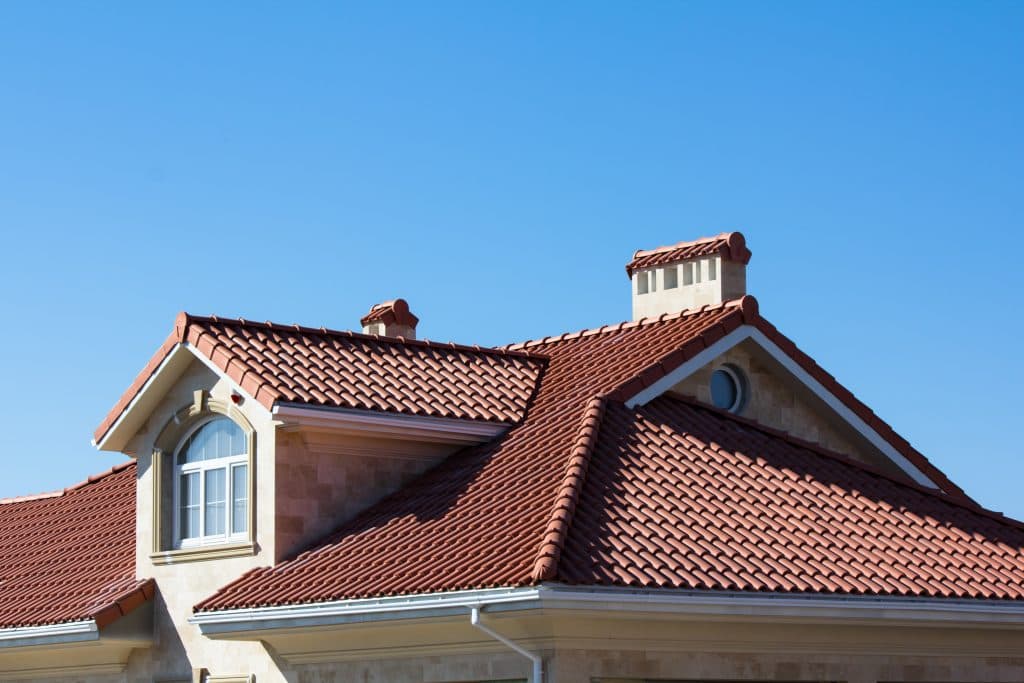
A 30-year architectural shingle in Seattle might deliver 28 years of service. That same shingle installed in Phoenix? You’ll be lucky to see 15 years before granule loss and thermal degradation demand replacement. Arizona isn’t one uniform climate—it’s a patchwork of distinct heat zones ranging from Yuma’s brutal 107°F average summer highs to Flagstaff’s comparatively mild 82°F. Your elevation, latitude, and proximity to urban heat islands don’t just affect your cooling bills—they fundamentally alter how long your roof will last and which materials will perform reliably. Understanding your specific heat zone is the first step toward making roofing decisions that deliver actual value rather than premature failure.
Key Takeaways
- Arizona’s Low Desert (Phoenix, Chandler, Casa Grande) experiences roof surface temperatures of 160-180°F on summer afternoons, causing asphalt shingles to lose 40-50% of their expected lifespan compared to temperate climates, according to National Roofing Contractors Association thermal degradation studies.
- Elevation matters more than most homeowners realize: for every 1,000 feet of elevation gain in Arizona, average summer temperatures drop approximately 3-5°F, translating to measurably longer roof lifespans—Payson roofs routinely outlast Chandler roofs by 5-7 years using identical materials.
- Urban heat island effects in Phoenix metro add 5-10°F to roof surface temperatures compared to outlying areas like Queen Creek or San Tan Valley, accelerating UV degradation and thermal cycling stress in dense neighborhoods.
- Material selection isn’t interchangeable across zones: concrete tile thrives in low desert heat but can crack under Flagstaff’s freeze-thaw cycles; clay tile performs well statewide but costs 30-40% more; reflective coatings that add 3-5 years of life in Phoenix offer minimal benefit in cooler high country.
Why Arizona’s Heat Isn’t Just About Air Temperature
Most homeowners focus on the number their weather app shows—110°F in Phoenix, 95°F in Tucson, 80°F in Prescott. But roof lifespan is determined by surface temperature, not air temperature, and the gap between the two is dramatic in Arizona’s low-humidity, high-solar-radiation environment.
A black or dark gray asphalt shingle roof in Chandler on a July afternoon with 110°F air temperature will reach 160-180°F surface temperature. A concrete tile roof in the same location hits 140-160°F. Even light-colored tile or metal roofs exceed 120-130°F. At these temperatures:
- Asphalt shingle petroleum binders soften, causing granule embedment to loosen—granules protect the underlying asphalt from UV; once they shed, degradation accelerates exponentially.
- Adhesive strips that bond shingle tabs lose 50-70% of their holding strength, making wind uplift during monsoon storms far more likely.
- Thermal expansion and contraction cycles stress fasteners, flashing, and seams—Phoenix experiences 60-80°F daily temperature swings (85°F at dawn, 160°F roof surface at 3 PM, back to 90°F by midnight), creating hundreds of expansion/contraction cycles per year.
“Arizona’s combination of extreme UV radiation, low humidity, and high thermal cycling creates a roofing environment unlike anywhere else in the continental United States. Materials rated for 25-30 years in temperate climates routinely fail at 12-18 years in the Phoenix metro low desert. Elevation and local heat island effects create 10-15 year lifespan differentials within a single metro area.” — National Roofing Contractors Association, Climate-Based Roof Longevity Report, 2025
Arizona’s climate zones aren’t arbitrary—they’re defined by a combination of elevation, latitude, and microclimate factors (urban density, vegetation cover, proximity to water or concrete surfaces). The result is that a roof in Scottsdale and a roof in Flagstaff, both installed on the same day with identical materials, will have drastically different service lives.
Arizona’s Five Roof-Relevant Climate Zones
Arizona can be divided into five roofing-relevant climate zones based on elevation, summer temperature extremes, and freeze-thaw frequency:
- Low Desert (200-1,500 ft elevation): Phoenix, Chandler, Mesa, Gilbert, Tempe, Scottsdale, Casa Grande, Yuma
Average summer high: 105-112°F | Roof surface peak: 160-180°F | Freeze days per year: 0-5 - Upper Sonoran Desert (1,500-3,500 ft): Tucson, Queen Creek, Apache Junction
Average summer high: 98-104°F | Roof surface peak: 145-165°F | Freeze days per year: 10-20 - High Desert Transition (3,500-5,000 ft): Prescott Valley, Sedona
Average summer high: 88-95°F | Roof surface peak: 125-145°F | Freeze days per year: 60-90 - Mountain Transition (5,000-6,500 ft): Payson, Show Low
Average summer high: 85-90°F | Roof surface peak: 115-135°F | Freeze days per year: 90-120 - High Country (6,500+ ft): Flagstaff, Williams
Average summer high: 80-85°F | Roof surface peak: 105-125°F | Freeze days per year: 140-180
The lifespan gradient is striking: A quality architectural asphalt shingle roof might deliver:
- 12-15 years in Low Desert Phoenix metro
- 15-18 years in Upper Sonoran Tucson
- 18-22 years in High Desert Transition Prescott
- 20-25 years in Mountain Transition Payson
- 22-28 years in High Country Flagstaff
That’s a potential doubling of roof lifespan simply by moving from the valley floor to higher elevations. For homeowners, this means your location fundamentally changes the cost-per-year economics of different roofing materials.
How Low Desert Homeowners Can Maximize Roof Lifespan
If you live in Chandler, Phoenix, Mesa, Gilbert, Tempe, Scottsdale, or Casa Grande, you’re in Arizona’s harshest roof environment. Here’s what actually works:
Material Selection for Low Desert Heat
Concrete tile is the workhorse of low desert Arizona roofing. It handles 160°F surface temperatures without degradation, doesn’t soften or lose granules, and offers 30-40 year lifespan even in Phoenix metro heat. Drawbacks: weight (requires adequate roof framing, typically not an issue in post-1990 construction), upfront cost ($8-12 per sq ft installed vs. $4-7 for asphalt shingles), and occasional tile cracking from impact (monsoon debris, tree branches). If your budget allows and your HOA permits, concrete tile is the best long-term value in the low desert.
Foam roofing (SPF – spray polyurethane foam) with elastomeric coating is increasingly popular in Phoenix metro for flat and low-slope roofs. The foam provides R-6 to R-7 insulation per inch (dramatically lowering cooling costs), and the bright white elastomeric topcoat reflects 85-90% of solar radiation, keeping roof surface temps 40-50°F cooler than traditional built-up or modified bitumen roofs. Lifespan: 15-25 years with recoating every 8-12 years. Ideal for flat roofs on commercial buildings and mid-century ranch homes common in Tempe and central Phoenix.
“Cool roof” architectural shingles with high solar reflectance (SR) and thermal emittance (TE) ratings add 2-4 years to standard shingle lifespan in low desert heat. Look for products with SR ≥0.25 and TE ≥0.85 (many manufacturers now offer “Desert” or “Southwest” product lines engineered for this). They cost 10-15% more than standard shingles but reduce roof surface temperatures by 10-20°F, slowing UV and thermal degradation.
Avoid: Standard 3-tab asphalt shingles (too thin, minimal granule layer, 8-12 year lifespan in Phoenix heat), dark colors on any material (absorb 20-30% more heat), and modified bitumen on low-slope roofs without reflective coating (softens in extreme heat, seam failures common).
The Urban Heat Island Factor in Phoenix Metro
Central Phoenix, Tempe, and older parts of Chandler experience urban heat island effects that add 5-10°F to ambient temperatures compared to outlying areas like Queen Creek, San Tan Valley, or far north Scottsdale. Dense housing, asphalt streets, minimal tree cover, and acres of concrete create a heat-trapping environment.
If your home is in a densely built neighborhood with minimal shade and nearby commercial development, your roof is experiencing the worst-case scenario for Arizona roofing. Consider:
- Light-colored roofing materials (whites, light grays, tans, terracottas) to reflect rather than absorb solar radiation
- Upgraded ventilation (ridge vents, powered attic fans) to exhaust superheated attic air—attic temps can hit 150-160°F in low desert summer, radiating heat into living spaces and baking underlayment from below
- Reflective roof coatings applied to existing tile, metal, or foam roofs every 8-10 years to restore solar reflectance degraded by dust and UV exposure
Sundance Roofing frequently works in Chandler and Gilbert neighborhoods where homes on the same street have dramatically different roof longevity based purely on tree shade and orientation. A home with mature mesquite or palo verde providing afternoon shade can add 3-5 years to shingle lifespan compared to a fully sun-exposed home 50 feet away.
Elevation-Based Material Decisions: What Works Where
Arizona’s elevation gradient creates distinct material performance profiles. Here’s what works (and what fails) in each zone:
| Climate Zone | Best Materials | Acceptable Materials | Avoid | Expected Lifespan Range |
|---|---|---|---|---|
| Low Desert (Phoenix metro, Casa Grande) | Concrete tile, foam w/ coating, cool-roof shingles | Clay tile, metal (light colors) | Standard 3-tab shingles, dark colors, uncoated BUR | Tile: 30-40 yr, Foam: 20-25 yr, Shingles: 12-18 yr |
| Upper Sonoran (Tucson, Queen Creek) | Concrete tile, architectural shingles, metal | Foam, clay tile, cool-roof shingles | 3-tab shingles | Tile: 35-45 yr, Shingles: 15-22 yr |
| High Desert Transition (Prescott, Sedona) | Architectural shingles, metal, concrete tile | Clay tile, dimensional shingles | Foam (freeze risk), thin tile | Shingles: 20-28 yr, Metal: 40-50 yr |
| Mountain Transition (Payson, Show Low) | Architectural shingles, metal, dimensional shingles | Concrete tile (if rated for freeze-thaw) | Foam, clay tile (cracks in freeze) | Shingles: 22-30 yr, Metal: 50+ yr |
| High Country (Flagstaff, Williams) | Architectural shingles, metal, synthetic slate | Dimensional shingles, standing seam metal | Tile (freeze-thaw failure), foam | Shingles: 25-35 yr, Metal: 50+ yr |
The freeze-thaw crossover: Above 5,000 feet elevation, Arizona roofs face a different failure mode—freeze-thaw cycling. When snow melts during sunny winter days, water infiltrates tiny cracks and pores in roofing materials. That night, temperatures drop below freezing, the water expands as ice, and cracks widen. Repeat this 60-120 times per winter, and materials that thrive in low desert heat—concrete and clay tile, foam roofing—begin to fail.
Flagstaff and Payson homeowners: If your home is above 5,000 feet, prioritize materials engineered for freeze-thaw resistance. Architectural asphalt shingles perform exceptionally well (they’re designed for northern climates, and Arizona’s high country mimics Montana or Minnesota more than Phoenix). Metal roofing—standing seam or metal shingles—is virtually indestructible in freeze-thaw conditions and sheds snow effectively. Tile roofs in Flagstaff are rare for good reason: hairline cracks develop within 10-15 years, and by year 20, tiles are shedding fragments with every freeze cycle.
The Cost-Per-Year Analysis: Why Upfront Cost Isn’t the Right Metric
Arizona homeowners often make roofing decisions based on installed cost per square foot. That approach works in temperate climates where most materials deliver close to their rated lifespan. In Arizona’s heat zones, it backfires.
Here’s a realistic cost-per-year comparison for a 2,500 sq ft roof in Chandler (Low Desert):
| Material | Installed Cost | Expected Lifespan | Cost Per Year | Lifecycle Cost (50 years) |
|---|---|---|---|---|
| Standard 3-tab shingles | $10,000 | 12 years | $833/yr | $41,650 (4 replacements) |
| Architectural cool-roof shingles | $14,000 | 16 years | $875/yr | $43,750 (3 replacements) |
| Concrete tile | $24,000 | 35 years | $686/yr | $34,300 (1 replacement) |
| Foam w/ elastomeric coating | $18,000 | 22 years | $818/yr | $40,900 (2 replacements) |
(Costs include removal, disposal, and installation; lifecycle costs assume 3% annual inflation on replacement; recoating for foam roofs every 10 years adds ~$4,000)
The surprise: Despite costing 140% more upfront, concrete tile delivers the lowest annual cost in low desert Arizona because it lasts 2-3 times longer than asphalt shingles. Over a 50-year homeownership period (or home lifespan), the tile roof saves $7,000-$10,000 compared to repeatedly replacing cheap shingles.
For homeowners planning to stay in their Chandler, Gilbert, or Phoenix metro home for 15+ years, paying more upfront for heat-resistant materials is the rational economic choice. For those planning to sell within 5-10 years, a quality architectural shingle with reflective granules offers adequate lifespan at a price point that won’t spook buyers during appraisal.
When Replacement Beats Repair: Heat Zone Red Flags
Certain conditions in Arizona’s heat zones signal that piecemeal repairs are throwing good money after bad:
- Asphalt shingles with 30%+ granule loss in low desert: The UV damage is irreversible; remaining lifespan is 1-3 years maximum—invest in roof replacement rather than temporary patches.
- Concrete tile roof 30+ years old with widespread cracking: Individual tile replacement works for isolated damage, but if 10%+ of tiles show stress cracks, the entire roof is near end-of-life.
- Foam roof 20+ years old with widespread coating failure: Recoating only works if the underlying foam is sound; if you see exposed foam or soft spots, full replacement is more cost-effective.
- Any roof in Phoenix metro that’s survived two or more severe monsoon seasons with repeated leak repairs: Water infiltration causes hidden decking and underlayment damage; by the time you’ve patched it three times, you’ve spent 30-40% of replacement cost with compromised structural integrity.
Sundance Roofing provides honest assessments—owners on every job means we’re not incentivized to upsell replacement when repair is viable. But in Arizona’s low desert heat, there’s a clear line where repair becomes economically irrational, and we’ll tell you when you’ve crossed it.
Regional Variations Within Sundance Service Areas
Chandler, Mesa, Gilbert, Tempe (Low Desert core): Maximum UV exposure, urban heat island effects, 110-115°F summer highs. Concrete tile, foam, and cool-roof shingles are your best bets. If HOA requires shingles, insist on high-SR rated products and light colors.
Phoenix, Scottsdale (Low Desert with variance): Central Phoenix has severe heat island effects; far north Scottsdale (near Carefree) sits 500-800 feet higher with slightly cooler temps and better airflow. North Scottsdale homeowners can expect 2-3 years longer shingle lifespan than central Phoenix.
Queen Creek, San Tan Valley (Upper Sonoran edge): Slightly higher elevation (1,400-1,600 ft) and less urban density means 3-5°F cooler roof surface temps than Chandler. You’ll get 15-18 years from architectural shingles vs. 12-15 in Phoenix proper. Still hot enough that tile is cost-effective for long-term ownership.
Casa Grande (Low Desert, but isolated): Similar temperatures to Chandler but with better airflow and less urban heat island effect. Expect low desert material performance but slightly longer lifespan due to reduced overnight heat retention.
Payson, Flagstaff (Mountain Transition / High Country): Completely different rules. Freeze-thaw, snow load, and moisture become bigger factors than heat. Architectural shingles routinely hit 25-30 years here. Metal roofing is popular and exceptionally long-lived. Tile is risky unless specifically rated for freeze-thaw. Sundance serves Northern Arizona with teams trained in high-country roofing challenges—material selection for Flagstaff requires different expertise than Phoenix metro work.
Frequently Asked Questions
How much hotter does a Phoenix roof get compared to a Flagstaff roof?
A dark asphalt shingle roof in Phoenix on a July afternoon reaches 170-180°F surface temperature. The same roof in Flagstaff hits 110-120°F—a 50-60°F difference. This temperature gap translates directly to lifespan: Phoenix roofs experience 2-3x the thermal stress and UV exposure, cutting expected lifespan by 40-50% compared to high-country installations.
Does HOA color requirement affect my roof’s lifespan in Arizona?
Absolutely. A black or dark gray roof in Chandler absorbs 15-25% more solar radiation than a light tan or gray roof, increasing surface temperatures by 10-20°F and accelerating UV degradation. If your HOA restricts you to darker colors, invest in premium shingles with high solar reflectance ratings engineered to stay cooler—these cost 10-15% more but can add 2-4 years of lifespan.
Should I use the same roof material my neighbors have?
Not necessarily. If your home was built in a large subdivision, the builder likely used the cheapest compliant material (usually 3-tab or basic architectural shingles). Your neighbors’ roofs are probably 12-18 years into a 15-20 year lifespan in Phoenix metro heat. When it’s time to replace, consider upgrading to tile or cool-roof shingles even if most neighbors haven’t—you’ll enjoy longer lifespan and lower cooling costs. Check with your HOA for approved materials and colors before committing.
Are metal roofs a good choice for Arizona heat?
Metal roofs perform exceptionally well in Arizona if installed correctly. Light-colored metal (white, light gray, tan) reflects solar radiation effectively, staying 40-50°F cooler than dark asphalt shingles. Standing seam metal roofs last 40-50+ years even in low desert Phoenix. The catch: metal roofs are expensive ($12-18 per sq ft installed), require proper underlayment and ventilation to prevent radiant heat transfer into attics, and can be loud during monsoon hail unless insulated. They’re most popular in high-country areas (Payson, Flagstaff) where freeze-thaw resistance and snow shedding are priorities.
How does my roof’s age affect its value if I sell my house in Arizona?
A roof nearing end-of-life in Phoenix metro (10+ years on asphalt shingles, 25+ years on tile) will raise red flags during buyer inspections and appraisals. Expect buyers to request roof replacement as a condition of sale, or to negotiate $8,000-$15,000 off the purchase price. Conversely, a newer roof (installed within the last 5 years) adds tangible value—especially if you upgraded to tile or cool-roof materials. Many Realtors in Chandler and Gilbert recommend proactive roof replacement 1-2 years before listing if your roof is borderline, as the ROI on pre-sale replacement is often 80-100%.
Can I extend my roof’s lifespan in Phoenix metro without replacing it?
Yes, with reflective roof coatings. Elastomeric coatings applied to tile, metal, or foam roofs can lower surface temperatures by 20-30°F, reducing thermal stress and UV exposure. Expect to add 3-5 years to a tile roof or 5-7 years to a foam roof. Coatings cost $2-4 per sq ft and should be reapplied every 8-12 years. For asphalt shingles, coating isn’t cost-effective—once granule loss begins, the damage is irreversible. Invest in proactive maintenance: keep gutters clear, trim overhanging branches, and schedule annual inspections to catch small issues before they cascade. Sundance offers roof maintenance services tailored to Arizona’s heat zones.
Why do some Chandler neighborhoods have tile roofs while others have shingles?
HOA requirements and build era. Subdivisions developed in the 1990s-2000s often mandated concrete tile for aesthetic consistency and long-term durability—developers knew Arizona heat would destroy cheap shingles quickly. Post-2008 recession builds often switched to architectural shingles to reduce construction costs. Tile costs 70-100% more upfront but lasts 2-3x longer in low desert heat, making it the better lifecycle value. If you’re buying in a shingle-roof neighborhood, factor in replacement every 12-18 years; tile neighborhoods won’t need replacement for 30-40 years.
Keep Reading
More Advice for Arizona Homeowners
Ready When You Are
Get Your Free Estimate
Free estimate. No pressure. Owner on every job — and you don’t pay a dollar until you’re satisfied.
Call (602) 690-8879Get a Free, No-Pressure Quote
Tell us about your project.
Roofing or painting — we’ll call you back within 24 hours to schedule your free on-site estimate.